
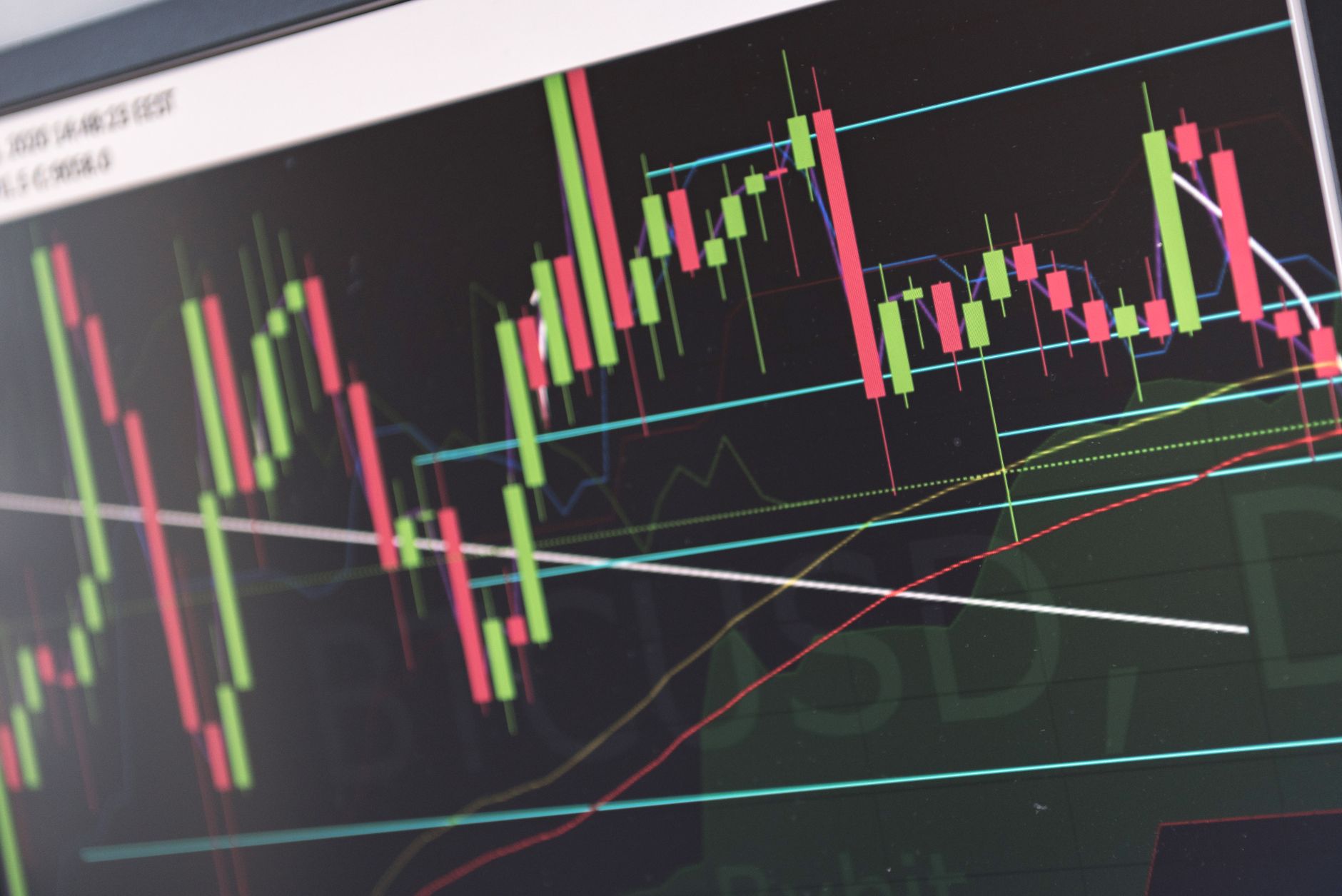
Prediction markets have gone from the fringes of the web to the mainstream. They used to have a more exclusive reputation among economists and people who like crunching data, but more and more entrepreneurs, sports fans, techies and regular net users are turning their instincts to the wisdom of the masses.
Predictive markets are, in some ways at least, basic: they combine information, strategy and human psychology with an interactive experience like Hell Spin Deutschland. They convert what might happen to a number, and as a result, people are not only encouraged to have opinions but also encouraged to have informed ones.
What is a prediction market?
The core of prediction markets is that people can make predictions about the likelihood of events occurring in the future. They can be election results, championship winners, technological advances, economic changes, etc. They participate in the market rather than just answering a survey; therefore, they are expressing confidence, and prices are changing in accordance with the new information that comes out.
Unlike traditional polls, prediction markets are dynamic. As a result, every new piece of news, expert opinion, or unexpected development immediately affects expectations. The market self-corrects; it's a reflection of the collective intelligence of thousands of players.
This process sometimes yields surprisingly accurate predictions because players are motivated to obtain accurate information, not just to voice their opinions. A more diverse crowd can partly counterbalance individual cognitive bias by making other perspectives available.
Why are prediction markets so popular?
The combination of several digital trends on the internet has created the perfect setting for prediction markets, significantly lowering barriers to participation, first. The modern interfaces are user-friendly, mobile-responsive, and have the ability to provide updates to
information in real time. The user shouldn’t need to grasp the concepts of probability or market movements.
Secondly, social media has changed the way information spreads. News, expert analysis, and community comments circulate across platforms in just minutes. Prediction markets are alive, and they absorb these fluctuations in an ongoing stream of information.
How Prediction Markets Work in the Brain
There are several reasons why prediction markets are popular other than economic ones. There's a scientific explanation for why these systems are so engaging, and it's neuroscience.
What Makes the Brain Love Uncertainty?
The human brain is wired to pick up on uncertainty. The need to gather information and update predictions is echoed when information is missing. A situation of incomplete information naturally triggers curiosity.
This process engages the brain. Users are not only interested in the information itself but also in the patterns they discern, in the points of comparison they make, and in their own changing
beliefs. It is a rewarding experience because each piece of new information can alter expectations. Our brains also do not welcome unresolved questions. The brain's neurotransmitter dopamine is closely linked to reward prediction.
Prediction Markets in the Present-Day Digital Society
Today, various industries are using prediction mechanisms.
Politics and Elections
One application that is still quite familiar is political forecasting. Debates, policy announcements, polling numbers and breaking news may instantly impact markets.
These systems do not supplant traditional polling but consolidate constantly evolving expectations of thousands of informed participants.
Sports Forecasting
Uncertainty is the essence of sports and is perfect for prediction-based analysis.
Before giving an estimate of what's likely to happen, fans analyse the players, injuries, historical data, weather and other factors. The experience stimulates more analytical thought than simply being a fan of a favourite team.
Online Gaming Communities are naturally interested
Prediction markets are especially attractive to communities that are already familiar with strategic gaming, which share many of the same skills. Important roles in both environments are risk assessment, probability estimation, information gathering, and disciplined decision-making. thinking.
The focus moves from random to thoughtful decision-making and flexible thinking. This is why it is a common topic in the digital entertainment community to not just speak about the future but also forecast it as a part of this broader interest.
Sometimes, free spins bonus looks at these behavioural shifts in the light of changing digital interactions, not just gaming. Similarly, users who are familiar with casino platforms may find some of the same features on prediction-based sites, such as user-friendly interfaces, live updates, and ongoing interaction. The goals are different in both cases, but both examples show that participation, responsiveness and customisation are key aspects of today’s digital ecosystems.
Expert Assessment
Prediction markets are an early example of the trend towards collective intelligence systems, according to many analysts. AI can be a helpful tool for participants, helping them to organise information, identify emerging trends, and manage conflicting information. But human judgement is still required to interpret uncertainty, which still requires context, creativity, and critical thinking.
Its use could be much more than for finance or public events. Complex decisions involving uncertainty are made in healthcare forecasting, climate modelling, supply chain planning, scientific research, educational planning, and public policy.