
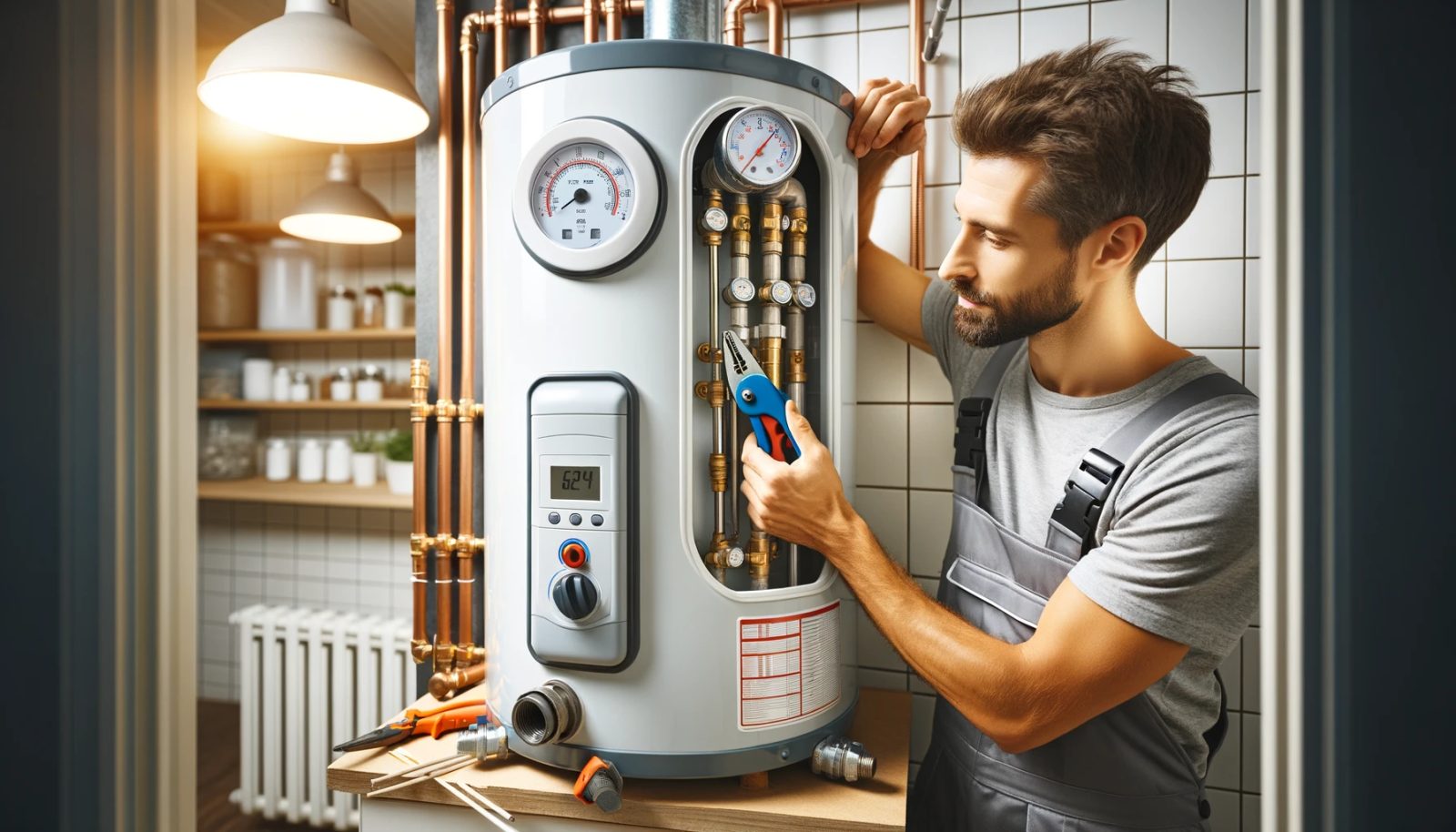

Most homeowners use their hot water system every day but rarely inspect it. The unit may sit outside, in a garage or inside a cupboard for years without receiving much attention.
Although hot water systems are designed to operate reliably, they contain valves, heating components, connections and storage tanks that can deteriorate over time. Regular servicing gives a plumber the opportunity to identify developing problems before they result in water damage, unreliable temperatures or complete system failure.
Servicing cannot prevent every breakdown, but it can reduce avoidable problems and help homeowners understand the condition of their unit.
What Happens During a Hot Water Service?
The exact servicing process depends on the type of system, its age and the manufacturer’s requirements.
A licensed plumber may inspect:
- The storage tank or continuous-flow unit
- Visible pipework and fittings
- Temperature and pressure-relief valves
- Isolation valves
- Drainage from discharge pipes
- Signs of rust or corrosion
- Water pressure
- Water temperature
- Gas connections and burner operation
- Electrical components where appropriate
- Unusual noises or vibration
- Signs of moisture around the unit
The plumber may also ask whether the household has noticed changes in temperature, pressure or available hot water.
Servicing Can Identify Leaks Early
Not all hot water leaks create a large puddle immediately.
Some begin as slow drips around valves, joints or fittings. Others may only occur while the system is heating or under pressure. These small leaks can go unnoticed, particularly when the unit is positioned outside or in an area that is rarely visited.
Early identification may allow a damaged fitting or valve to be repaired before the problem becomes more serious.
Homeowners should periodically look around the system for:
- Water pooling near the base
- Dampness around connections
- Rust marks beneath valves
- Corrosion on the tank or casing
- Water flowing continuously from a discharge pipe
- Moisture damage to surrounding surfaces
Any unexplained water should be assessed rather than dismissed as condensation or rain.
Stable Water Temperature Is Important
A hot water system should deliver water at a safe and reasonably consistent temperature.
Water that suddenly becomes much hotter or colder can indicate a thermostat, tempering valve, heating element or system-control issue. Fluctuating temperatures may also be caused by demand exceeding the system’s capacity.
A plumber can test the water temperature and investigate why it has changed.
Homeowners should not attempt to adjust internal controls without understanding the system. Excessively hot water creates a scalding risk, while incorrect system temperatures can create other hygiene and performance concerns.
Pressure Valves Need Attention
Storage hot water systems commonly rely on safety valves to manage pressure and temperature.
Some discharge from a relief valve can occur during heating. However, constant or excessive flow may indicate a problem with the valve, water pressure or system.
These valves should not be blocked, capped or altered to stop dripping. Preventing a safety valve from operating correctly can create a dangerous buildup of pressure.
A licensed plumber can determine whether the discharge is normal or whether servicing is required.
Maintenance Helps With Replacement Planning
One advantage of regular servicing is gaining a clearer understanding of the system’s overall condition.
A plumber may identify corrosion, recurring valve problems or declining performance before the system fails completely. This gives the homeowner time to research replacement options, request a quote and budget for the work.
Without an inspection, a homeowner may only discover that the unit has reached the end of its life when it suddenly stops producing hot water or begins leaking.
Planned replacement is generally less stressful than arranging urgent work after a complete breakdown.
The Property’s Environment Can Affect the System
Hot water systems installed outdoors are exposed to weather, moisture, dirt and changing temperatures.
Vegetation, stored items and garden materials can also obstruct airflow or make the unit difficult to access. Indoor systems may be affected by poor ventilation, restricted access or unnoticed moisture damage.
Homeowners can help by keeping the area around the system clear and making sure that:
- Stored belongings are not leaning against the unit
- Plants are not growing into the system
- Discharge pipes remain unobstructed
- The plumber can safely access valves and connections
- Water is not collecting around the base
The system should not be enclosed or modified without professional advice, as clearance and ventilation requirements may apply.
Servicing Is Not a DIY Plumbing Task
Homeowners can visually check their system, but dismantling components or working on water, gas or electrical connections should be left to qualified tradespeople.
Hot water systems involve high temperatures, pressurised water and potentially hazardous energy sources. An incorrect repair can cause burns, leaks, equipment damage or unsafe operation.
For assistance with inspections, repairs or replacement, homeowners can check out Born Plumbing and arrange for the system to be professionally assessed.
Know the Warning Signs Between Services
Even a recently inspected system can develop a fault. Homeowners should contact a plumber when they notice:
- A sudden loss of hot water
- Significant leaks
- Rust-coloured water
- Persistent unusual noises
- A strong gas smell
- Repeatedly tripping electrical protection
- Water that is dangerously hot
- A pilot light that will not remain lit
- Visible damage to the unit or connections
A gas smell or electrical fault should be treated as an urgent safety issue. Occupants should avoid interacting with the system and follow appropriate emergency procedures.
Preventative Attention Can Reduce Disruption
Hot water system servicing is not only about extending the life of the unit. It is also about finding leaks, valve problems and performance changes before they cause greater inconvenience.
Regular professional assessment helps homeowners understand whether their system remains safe, reliable and suitable for the household. Combined with basic visual checks, it can make unexpected breakdowns less likely and provide more time to plan when replacement eventually becomes necessary.