
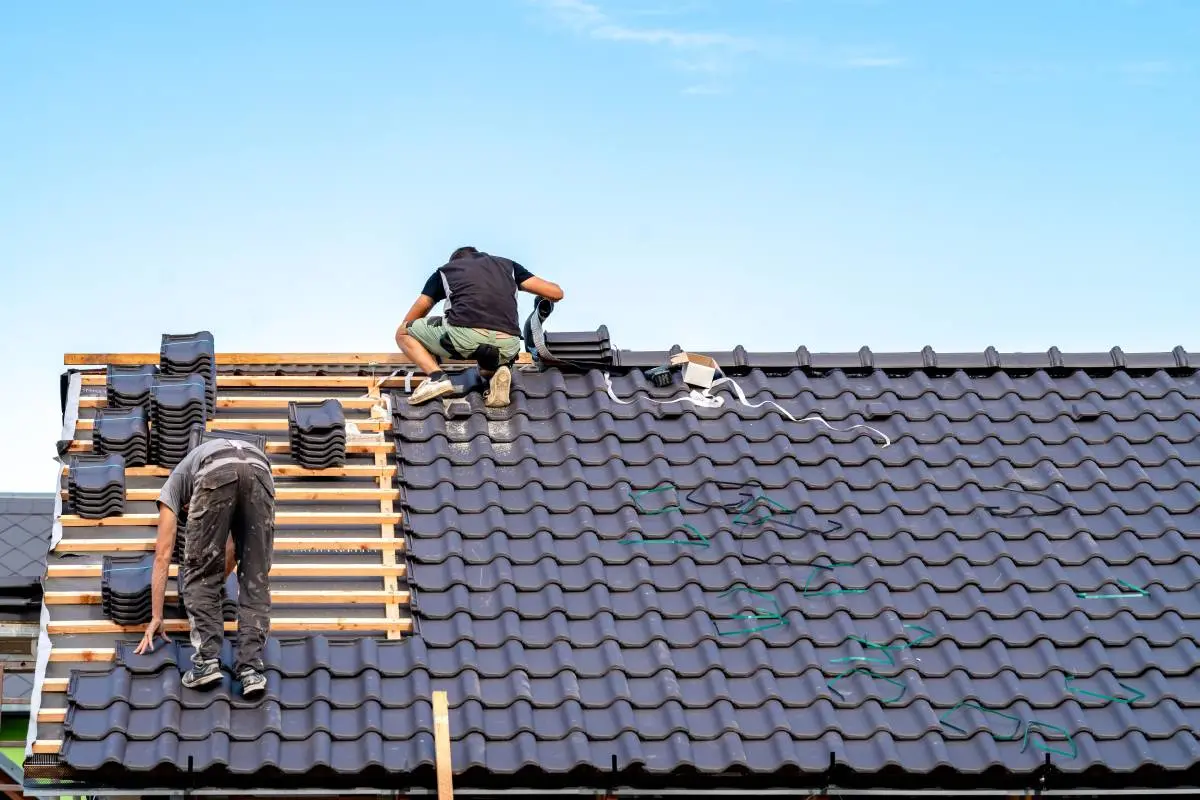

A commercial roof replacement often requires large quantities of shingles, tiles, insulation boards, and other construction materials. Before installation begins, these products must be transported to the property, unloaded, and placed somewhere accessible to the roofing crew. While most planning focuses on getting materials to the roof, the concrete surfaces supporting the delivery process can receive much less attention.
A loading area that handles everyday traffic without problems may respond differently when heavy trucks, forklifts, or lifting equipment arrive. Concrete can develop cracks, damaged edges, or joint problems when loads exceed what the pavement and underlying ground can safely support. These issues sometimes appear before a single roofing material has been installed. Understanding how deliveries affect concrete surfaces can help property owners identify potential risks and avoid unnecessary repairs.
Why Can Roofing Deliveries Put Unexpected Pressure on Concrete Surfaces?
Commercial roofing projects involve materials with very different weights and handling requirements. A delivery may include pallets of shingles, bundles of insulation, roofing membranes, or heavier products such as concrete and clay tiles.
The total delivery weight matters, but how that weight reaches the pavement is equally significant.
Vehicle Loads Are Not Distributed Evenly
A delivery truck transfers its weight through its tires. The load carried by each axle determines how much force reaches particular areas of the pavement.
As a truck moves, brakes, or turns, these forces change. Concrete near joints and slab edges may experience greater stress than areas with continuous support.
A pavement section designed for passenger vehicles may not be suitable for repeated deliveries involving loaded commercial trucks.
The Ground Beneath Concrete Also Matters
Concrete pavement depends on the soil and base materials beneath it for support.
If the underlying ground contains poorly compacted fill, soft areas, or moisture-related weaknesses, heavy vehicle loads can cause excessive movement.
Cracks may develop even when the surface initially appears thick and undamaged.
This is why evaluating an existing loading area involves more than looking for visible defects. Its construction and supporting ground conditions influence how it responds to heavy traffic.
How Can Heavy Trucks Damage Concrete That Appears Perfectly Sound?
Concrete can remain visually intact while small weaknesses develop beneath its surface or along existing joints.
A delivery vehicle may expose these weaknesses when its weight is concentrated over a vulnerable section.
Slab Edges Are Particularly Vulnerable
Concrete edges often have less support than interior portions of a slab. When a heavy wheel approaches an unsupported edge, the pavement may bend under the load.
Repeated loading can contribute to cracking, particularly where the concrete is thin or the underlying base has deteriorated.
Loading areas near landscaped borders, drainage channels, or unpaved shoulders may be especially vulnerable if the supporting materials have shifted.
Existing Joints Can Become Problem Areas
Joints allow controlled movement and help manage cracking in concrete pavement.
However, damaged joints may become points of weakness under frequent heavy traffic. Repeated wheel loads can contribute to edge deterioration or differences in elevation between adjoining slabs.
Water entering damaged joints may also affect the supporting base over time.
A concrete surface does not need to be visibly broken for delivery traffic to expose underlying problems.
Why Is the Location of Material Unloading So Important?
The safest and most practical unloading position is not always the closest spot to the building.
A truck parked beside the roof access point might reduce the distance materials must travel, but the pavement beneath it may not have been designed for heavy delivery vehicles.
Pavement Near Underground Structures Needs Attention
Commercial properties may have utility chambers, drainage structures, buried services, and access covers beneath or alongside their paved areas.
These features can create restrictions on where loaded trucks or equipment should operate.
A utility cover suitable for ordinary traffic should not automatically be treated as capable of supporting heavy lifting equipment or unusually concentrated loads.
Before unloading begins, delivery planners should identify known underground structures and avoid placing unexpected loads over areas with uncertain capacity.
Unloading Routes Affect More Than Convenience
Delivery vehicles need suitable turning space, clear access, and stable operating surfaces.
Tight turns near pavement edges can put additional stress on vulnerable areas, while repeated repositioning increases the number of heavy vehicle movements.
Selecting an appropriate unloading location can reduce unnecessary traffic across weaker sections of the property.
What Happens When Roofing Pallets Are Stored on Concrete for Extended Periods?
Roofing materials are frequently delivered before installation begins. Pallets may remain at ground level while contractors prepare the roof or complete other stages of the project.
The way materials are stacked can influence the loads applied to the pavement.
Concentrated Storage Loads Require Consideration
A heavy pallet transfers its weight through the areas that contact the ground. Depending on the pallet design, these contact points may occupy a relatively small portion of the concrete surface.
A sound commercial loading pad may accommodate such loads without difficulty, but unsupported edges, deteriorated slabs, and other vulnerable locations deserve caution.
Stacking additional materials on top of existing pallets can increase the concentrated load.
Material quantities and storage arrangements should reflect the capacity of the intended surface rather than simply using every available space.
Storage Conditions Can Affect Materials and Surfaces
Temporary roofing material storage also requires attention to weather exposure and manufacturer instructions.
Some products need protection from moisture, direct sunlight, or improper stacking.
Water trapped around stored materials can leave staining or create slippery conditions. Although short-term moisture beneath pallets does not automatically damage sound concrete, prolonged wet conditions may aggravate existing drainage or joint problems.
Can Commercial Concrete Be Prepared for Construction Delivery Traffic?
Some properties regularly receive heavy vehicles, while others experience this activity only during major construction or maintenance projects.
Where delivery traffic is expected to increase, the existing pavement may need assessment before equipment arrives.
Why Pavement Construction Must Match Expected Loads
Slab thickness, concrete strength, joint spacing, reinforcement where specified, and subgrade preparation all influence pavement performance.
These factors must be considered together. Adding reinforcement, for example, does not automatically compensate for inadequate thickness or weak support beneath the slab.
Property owners considering commercial concrete services may need an assessment of loading pads, vehicle access areas, or damaged pavement sections before repeated heavy deliveries take place.
Depending on the conditions, appropriate work might involve repairing isolated defects, improving supporting materials, or constructing a surface designed for the expected loading.
The necessary approach should be based on actual vehicle and equipment requirements rather than appearance alone.
How Does Roofing Material Delivery Planning Affect Site Conditions?
Material delivery planning can influence how often trucks enter a property, where products are unloaded, and what equipment is needed.
A roofing project may require several separate deliveries if storage space is limited or installation occurs in stages.
Each delivery introduces additional vehicle movement, making route selection and unloading arrangements worth discussing beforehand.
Why Suppliers Need Accurate Delivery Information
Roofing materials vary in packaging, pallet dimensions, weight, and unloading requirements.
Someone coordinating with a Roofing Supplier in LA should confirm the proposed delivery method, approximate shipment weights, unloading responsibilities, and any access restrictions before scheduling materials.
For example, a property with narrow service lanes may not accommodate the same delivery vehicles used at a large warehouse.
Clear information helps determine whether materials can be unloaded directly at the site or whether alternative handling arrangements are necessary.
It also gives property managers an opportunity to identify pavement areas that should remain off-limits to heavy vehicles.
Why Can Forklifts and Lifting Equipment Create Different Types of Pavement Damage?
Delivery trucks are not the only equipment that can stress concrete surfaces.
Forklifts, cranes, and other lifting machinery apply loads through different contact points and operating movements.
Forklifts Can Place Heavy Loads on Small Areas
A forklift carrying roofing materials transfers weight through its wheels, with the load distribution changing as the equipment moves.
Some forklifts use relatively small, hard tires that can create concentrated contact stresses.
Turning movements near damaged joints or slab edges may contribute to surface deterioration, particularly where the pavement is already weakened.
Lifting Equipment Requires Separate Ground Assessment
Cranes and lifting equipment may use outriggers to support their operating loads.
These supports can create concentrated reactions that differ significantly from ordinary vehicle wheel loads.
Suitable support arrangements depend on the equipment, lifting configuration, ground conditions, and manufacturer requirements.
A concrete loading pad should never be assumed suitable for crane setup simply because trucks regularly drive across it.
What Should Property Owners Inspect After Major Deliveries?
After substantial construction traffic, property owners may notice new cracks, chipped slab edges, damaged joints, or changes in pavement elevation.
These observations deserve attention, but they do not automatically establish that the deliveries caused the damage.
Photographs taken before construction can provide a useful record of existing pavement conditions. Comparing them with photographs taken afterward may help identify changes requiring further investigation.
Where cracking develops around utility structures, loading areas, or frequently travelled joints, a qualified professional can assess whether repairs are necessary.
For future projects, reviewing delivery routes and equipment requirements before work begins may prevent the same vulnerable areas from receiving repeated loads.
Conclusion
Roofing projects can affect parts of a property that are far removed from the roof itself. Material deliveries, temporary storage, and lifting equipment all introduce loads that existing concrete surfaces may not have been designed to carry.
The risk depends on the pavement’s condition, its underlying support, and how vehicles and equipment distribute their weight. Even surfaces that appear sound can contain weaknesses that become noticeable under heavier construction activity.
Planning delivery access, identifying vulnerable pavement areas, and confirming equipment requirements before materials arrive can reduce avoidable damage. Protecting the ground-level work area is an important part of keeping a roofing project organised and preventing unexpected repair costs.