
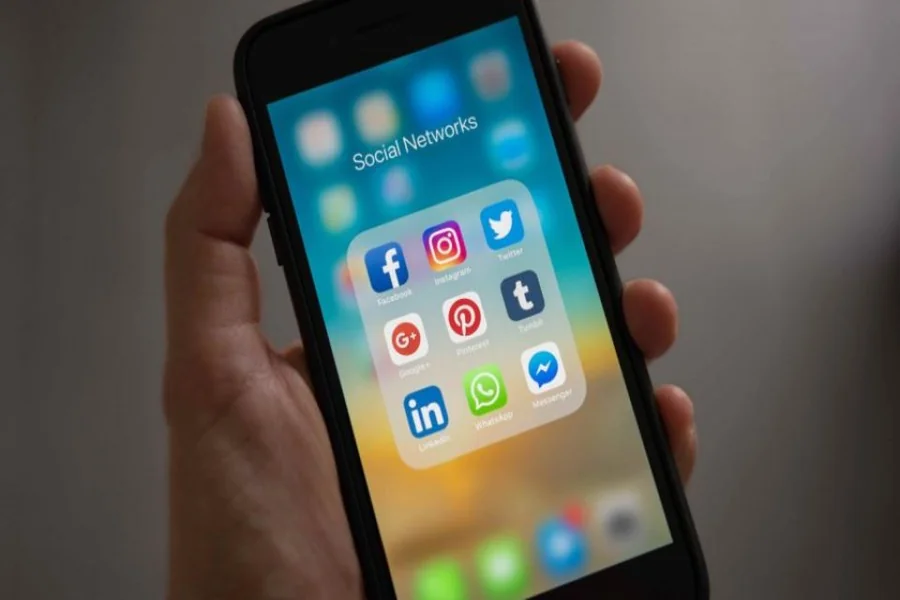

Social media has its own language, and new expressions appear on different platforms.
These expressions describe different kinds of online behavior. Some terms are easy to understand, while others are pretty confusing. So, we want to explain 15 common social media expressions.
Keep reading to learn the meaning behind these terms!
1. Double-Tap
We typically associate the double-tap expression with Instagram.
This term comes from the simple action needed to like a post. Instead of looking for the like button, you can quickly tap the content twice.
You might also frequently see different creators say “Double-tap if you agree”. It can urge viewers to engage with your content.
2. Like
Likes let you demonstrate that you enjoy and support a specific post. You can usually like
- Photos
- Videos
- Comments
Real and authentic Instagram likes can help you create a stronger visible engagement rate.
However, this expression does not always mean someone strongly approves of your post. People might like your content because they found it useful and simply wanted to acknowledge it.
3. Follow
Following someone means you choose to receive their content and updates on a social media platform. The posts of an account you follow might appear in your feed or other recommended areas.
People follow accounts for many reasons. They might enjoy someone’s content or want updates from a brand.
A strong follower base can help creators and brands grow online. It lets them connect with people who have an interest in their content and products.
4. Unfollow
This term follows naturally from the previous one we mentioned. You can stop following any profile when you don’t want their posts in your regular feed.
People also unfollow accounts if their content direction changes. Plus, you can stop following to make your feed more useful and less crowded.
Unfollows can also give you useful data on your audience’s honest reactions.
5. Slide Into the DMs
You’ve probably heard the phrase “sliding into DMs” at least once.
This term is typical in informal conversations. However, you don’t have to use DMs only for your private discussions. You may also contact creators about partnerships.
Creators can also use DMs to network and respond to followers.
6. Going Viral
Your content is going viral when it reaches a large number of people. A viral post usually receives thousands of views and different reactions.
You can attract widespread attention through
- Funny videos
- Surprising moments
- Useful tips
- Emotional stories
- Timely posts
Viral content can also move between your profiles on different platforms.
7. FYP
We mainly associate the FYP term with TikTok. It is the personalized feed where you can see videos from accounts you’re not following.
TikTok typically recommends videos depending on your activity and content preferences.
You might also see the phrase FYP in captions and hashtags. Some creators put it in their tags because it can help them get to the For You Page.
8. Story
A Story is a format of social media content that disappears after some time. Various platforms offer their versions of this format.
You can use it to post
- Photos
- Short videos
- Text
- Polls
- Questions
- Links
- Stickers
Stories differ from regular posts because they are temporary. You can use them to casually share your updates throughout the day.
9. Repost
You can use a repost feature to share content from different creators on your profile. This process works differently on every platform.
You might reshare relevant posts that fit the interests of your followers. Reposting also lets you pass along important information and show your support.
This functionality helps you get additional views and followers.
10. Ratio’d
Getting ratio’d means receiving a response that gets more engagement than the original post. This term usually appears on platforms where users can publicly reply to posts.
Ratio’d does not always mean the original post was unpopular. A reply may simply be funnier or more relatable than the original content. Still, this term often suggests that the audience strongly favored the response.
11. Clout
Clout refers to your popularity and status on social media. Someone with a lot of clout usually attracts significant attention online.
It can come from different sources, including
- Large following
- Frequent viral content
- Strong engagement
- Connections with other popular accounts
People may also use this term when talking about influence. It can have either a positive or negative meaning.
12. Stan
The term stan describes a very dedicated fan or supporter. Social media simplified the process of connecting and sharing support among fans.
This term might have a positive meaning when someone simply wants to show their strong admiration. However, you can also use it to describe any unreasonable fan behavior.
13. Troll
Trolls intentionally share offensive posts to get reactions from people who use the platform.
They post negative comments to start arguments. A troll might make an exaggerated claim and deliberately challenge a popular opinion.
They can attract attention because their comments encourage people to respond. Still, many brands choose to block and report harmful behavior instead.
14. Cancelled
People are publicly criticizing and withdrawing their support from someone who gets cancelled. This term can apply to
- Celebrities
- Creators
- Influencers
- Brands
This kind of criticism spreads very quickly on any social media platform. A controversial post can reach thousands of people within a short time.
15. Engagement
The last term we want to highlight is social media engagement. Some common examples include
- Likes
- Comments
- Shares
- Saves
- Replies
- Clicks
You can evaluate how your audience interacts with your posts through these metrics. A high level of engagement can help you form stronger bonds with your followers.
Conclusion
You might struggle to follow diverse social media expressions as new terms appear all the time. It’s important to know these common terms to join conversations and interact with users.
Each expression we highlighted describes a different part of social media culture. Some explain simple actions, while others describe popularity and audience reactions.
Hope that our guide was useful!