
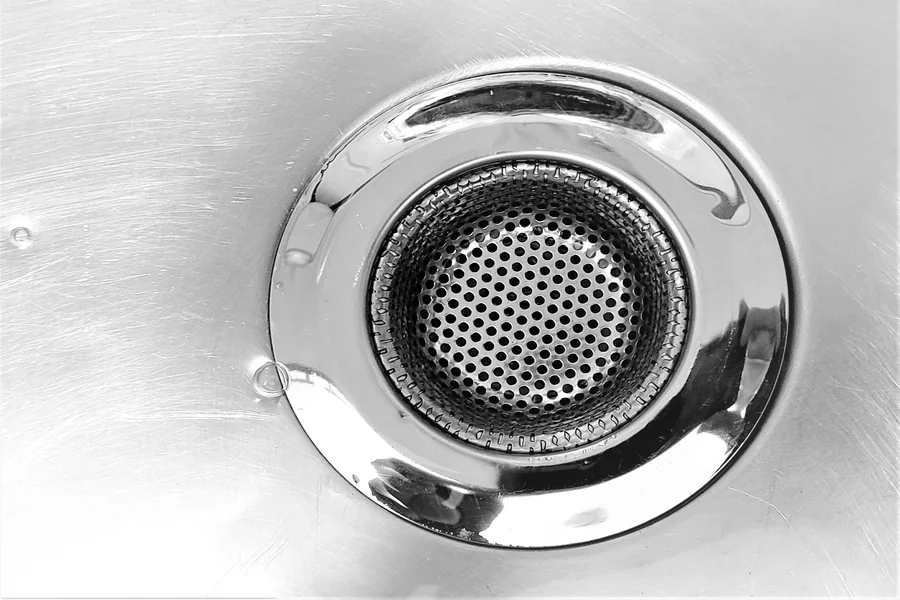

That slow kitchen sink you’ve been ignoring for two weeks? It’s not just slow. It’s a message. Most serious drain problems don’t announce themselves with a sudden flood. They whisper first, through a gurgle here, a smell there, a puddle that takes a few seconds too long to disappear. And most homeowners keep hitting snooze on those whispers until the problem gets loud and expensive.
This article walks you through five specific signals that your drains are sending, how to read them accurately, and when a DIY fix is realistic versus when calling a pro is the smarter move.
Why the “Wait and See” Approach Tends to Backfire
Before the signs, let’s put a number behind the stakes. According to a 2025 report from the Insurance Information Institute, water damage and freezing accounted for 22.6% of all home insurance claims, based on 2023 data. Over the period from 2019 through 2023, one in every 67 insured homeowners filed a water damage or freezing claim, with an average claim amount of $15,400.
Clogged and neglected drains are listed among the documented causes of interior water damage. A pipe under pressure from a deep blockage doesn’t give you a polite warning before it backs up into your walls, floors, or cabinets. Catching the early signals matters, and the five below are the ones most homeowners learn the hard way.
Sign 1: Water That Drains Slowly in One Fixture
A sink that drains in 45 seconds rather than 10 is the most common early sign, and it’s the one most people rationalize away. Hair, soap scum, and grease accumulate in layers inside the pipe. The slow drain you see today is the partial blockage of tomorrow.
The one-fixture rule matters here. If only your bathroom sink is slow, the clog is likely local, somewhere between the drain opening and the P-trap. That’s the scenario where a drain snake or a manual cleaning of the P-trap actually works. Try that first. If it comes back within a week, or if you have to do it every month, the real problem is further down the line than a snake reaches.
Sign 2: Gurgling Sounds From Drains or Toilets
Gurgling is air. Specifically, it’s air being pushed backward through water in your trap because something downstream is partially blocked and disrupting normal flow. A drain that gurgles after you flush the toilet, or a toilet that gurgles when you run the shower, is a signal that the clog isn’t sitting in a single drain. It’s sitting deeper, in a shared branch line or the main line itself.
This is the sign people most consistently misread. They assume it’s a minor quirk of the plumbing layout. In Southern California homes with older cast iron or clay sewer lines, a gurgling toilet is often the first visible symptom of root intrusion or heavy buildup in the main line. Worth taking seriously.
Sign 3: Recurring Odors Rising From Drains
A drain that smells occasionally after a big cooking session is one thing. A drain that smells every morning, or that you can detect from the hallway with the bathroom door closed, is another. Persistent odors usually mean one of two things: the trap has dried out (uncommon in actively used fixtures) or there’s organic buildup deep enough in the line that it’s decomposing and off-gassing continuously.
Kitchen drains are the biggest offenders because grease coats the interior of the pipe and becomes a surface for food particles to stick to. Over time, that layer thickens. Running hot water helps slow the process, but it doesn’t clear an established buildup. A professional hydro jetting service strips the interior of the pipe rather than just pushing a channel through the clog.
Sign 4: Multiple Fixtures Backing Up at the Same Time
This one isn’t subtle. When your shower backs up at the same time your toilet is slow and your laundry drain gurgles, the problem is not in any single fixture. The problem is in the main sewer line, and that’s where individual homeowner fixes stop working.
Consider a concrete scenario: Maria, a homeowner in a 1970s-era house in Orange County, noticed her washing machine draining caused water to bubble up into her bathtub drain. She tried a bottle of store drain cleaner and a 25-foot snake. Nothing changed. A camera inspection revealed a section of clay pipe with significant root intrusion about 40 feet from the house. The multi-fixture backup was the main line’s last warning before a full blockage. Catching it at that stage meant a targeted repair rather than an emergency excavation.
If two or more fixtures are misbehaving at the same time, skip the DIY step and call for a camera inspection. It’s not wasted money; it’s information.
Sign 5: Water Pooling Around Floor Drains
Floor drains in garages, laundry rooms, and basements are easy to forget because you don’t use them the way you use a sink. But when they start pooling water, or when water that enters them sits there for hours, it signals a backup in the line downstream. In a garage, that might mean your household’s shared main line is already heavily restricted.
The EPA’s WaterSense program notes that the average family can waste 9,400 gallons of water annually from household leaks alone, and a drain line operating under excess pressure from a downstream blockage puts stress on joints and connections throughout the system. Floor drain backups are worth treating as an early warning for that exact reason.
The Drain Delay Cost Ladder
Here’s an original way to think about drain problems: every week you wait tends to move you one rung up the cost ladder. The rungs look like this.
| Stage | What You’re Dealing With | Typical Fix
|
|---|---|---|
| Early | Slow drain in one fixture, mild odor | Drain snake or manual P-trap cleaning |
| Developing | Gurgling, recurring slow drains after manual cleaning | Professional drain machine or hydro jet |
| Advanced | Multi-fixture backup, persistent odors in several rooms | Camera inspection plus targeted main line clearing |
| Critical | Sewage odor throughout home, water backing up into fixtures | Emergency service, possible pipe repair or replacement |
The goal is to catch the problem at Stage 1 or 2 and never meet Stage 4. That’s the whole game.
What You Can Actually Do Before Calling a Pro
Two things work reliably for individual, non-recurring clogs: a manual plunger on a slow toilet or shower drain, and removing and cleaning the P-trap under a sink. That’s your honest DIY window.
Chemical drain cleaners are a mixed story. They can partially clear a fresh hair or grease clog, but they sit in the pipe and can damage older pipe materials if used repeatedly. Treat them as a short-term bridge, not a maintenance strategy.
For anything that comes back more than once, involves multiple fixtures, includes gurgling from a drain you weren’t running, or carries a persistent smell, the professional option is genuinely faster and cheaper in the long run. Services like Drain Cleaning Brea use camera inspections to locate the exact nature and position of a blockage before choosing the clearing method, which means you’re not paying to repeat the same ineffective fix.
Annual drain maintenance is worth adding to your home upkeep calendar. According to iPropertyManagement’s 2026 research data, roughly 14,000 people in the U.S. experience some form of home water damage every single day, and a meaningful portion of interior water damage traces back to plumbing failures that showed warning signs well before the damage occurred.
Your drains aren’t being dramatic. A slow drain, a gurgle, a smell, a puddle that won’t disappear: these are legitimate signals from a system that’s under stress. Read them early, and you stay at the bottom of that cost ladder.