

Creating a more environmentally conscious home does not necessarily require expensive renovations or a complete lifestyle overhaul.
In fact, some of the most practical changes begin in the kitchen.
From food storage containers to cleaning supplies and cooking accessories, everyday purchasing decisions can influence household waste, resource consumption, and the overall functionality of a kitchen.
For homeowners interested in reducing unnecessary waste while creating a warm, welcoming space, choosing durable products and natural materials can be a great place to start.
Here are seven simple ways to create a more natural, eco-friendly kitchen without sacrificing convenience or style.
1. Replace Disposable Kitchen Products With Reusable Alternatives
Disposable products can make everyday kitchen tasks convenient, but frequent use often creates unnecessary household waste.
Paper towels, single-use food containers, disposable utensils, and plastic storage bags are common examples.
Replacing some of these items with reusable alternatives can reduce the amount of waste a household generates.
Consider using washable kitchen towels instead of disposable paper towels for routine cleaning tasks.
Reusable glass containers can replace some single-use food packaging, while durable utensils and serving accessories can eliminate the need for disposable options.
The goal is not to replace every item immediately. Instead, begin with products that are used frequently and can realistically be replaced with durable alternatives.
Small, consistent changes are often easier to maintain than dramatic lifestyle adjustments.
2. Incorporate Natural Wood Kitchen Essentials
Natural wood has long been valued for its beauty, versatility, and practical applications in the kitchen.
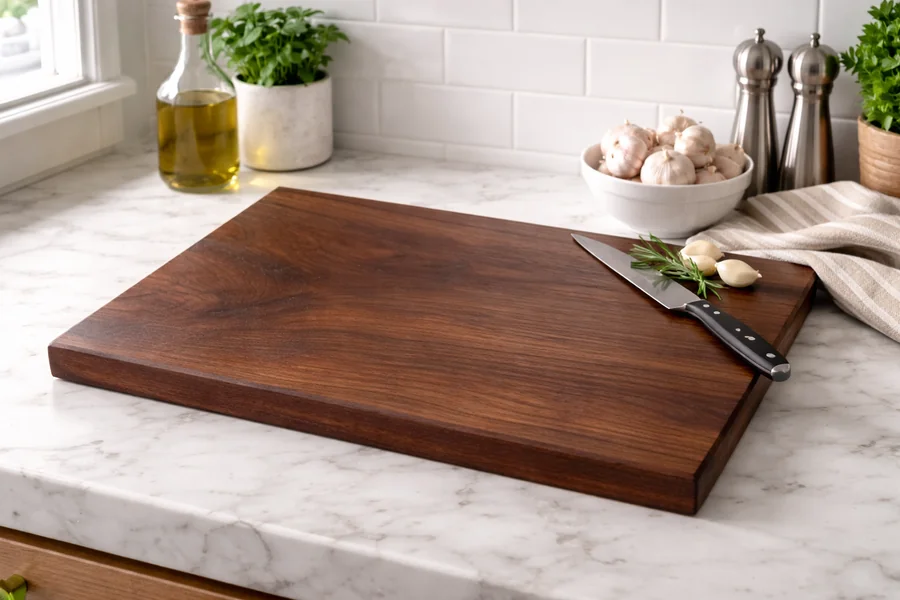
Wooden cutting boards, utensils, serving trays, and storage accessories can add warmth and texture to a space while providing everyday functionality.
Hardwoods such as maple, walnut, and cherry are especially popular for kitchen products because of their attractive grain patterns and durability.
A well-made hardwood cutting board, for example, can serve as a dependable food preparation surface and an attractive presentation piece when entertaining guests.
For homeowners interested in craftsmanship and long-lasting kitchen accessories, businesses like Woods and Wax offer handcrafted hardwood cutting boards that combine natural materials with practical design.
When selecting wooden kitchen products, look for quality construction, appropriate food-safe finishes, and clear care instructions.
Natural materials are not automatically environmentally superior in every situation. Their overall impact depends on factors such as sourcing, manufacturing, transportation, product lifespan, and disposal.
Choosing durable products that can be maintained and used for years is an important part of making more thoughtful purchasing decisions.
3. Choose Reusable Food Storage Solutions
Food storage is another area where small improvements can make a difference.
Many households accumulate disposable plastic bags, single-use containers, and food packaging that are discarded after limited use.
Reusable storage containers can help reduce dependence on these products.
Glass containers are popular because they are easy to clean, allow users to see their contents, and can be used repeatedly.
Stainless steel containers provide another durable option, particularly for packed lunches and transporting food.
Reusable silicone storage bags may also be useful for certain applications.
When choosing storage products, consider how frequently they will be used, whether they are easy to clean, and whether they are suitable for the intended food and temperature conditions.
Using existing containers for as long as they remain safe and functional is often preferable to replacing everything at once.
4. Reduce Food Waste Through Better Meal Planning
One of the most meaningful ways to improve kitchen sustainability is to reduce food waste.
Buying more groceries than necessary, forgetting ingredients in the refrigerator, and preparing oversized meals can lead to avoidable waste.
Simple meal-planning habits can help.
Before grocery shopping, check the refrigerator, freezer, and pantry to identify ingredients that need to be used.
Plan meals around items already available and create a shopping list based on realistic household needs.
Store perishable foods correctly and label leftovers with preparation dates.
Freezing appropriate foods before they spoil can also extend their usefulness.
Reducing food waste may lower grocery expenses while helping households make better use of the resources required to produce, transport, and store food.
5. Use Cleaning Products More Thoughtfully
Kitchen cleaning is essential for maintaining a healthy home, but it is possible to approach cleaning with greater attention to product use and waste.
Concentrated cleaning products, refillable containers, and reusable cleaning cloths can help reduce packaging consumption.
When purchasing cleaning supplies, look for products with clear ingredient information and instructions appropriate for the surfaces being cleaned.
It is also important to distinguish routine cleaning from sanitizing or disinfecting.
Natural ingredients such as vinegar may be useful for certain household cleaning tasks, but they are not universal replacements for properly formulated disinfectants.
Always follow product instructions, avoid mixing cleaning chemicals, and use appropriate food-contact surface cleaning procedures.
A more thoughtful cleaning routine should balance environmental considerations with effective hygiene and food safety.
6. Invest in Quality Instead of Constantly Replacing Cheap Products
A more sustainable kitchen is not necessarily one filled with newly purchased eco-friendly products.
Often, the better approach is to keep existing products in service and replace them only when necessary.
When an item does need replacing, durability and repairability are worth considering.
High-quality cookware, kitchen utensils, cutting boards, and storage accessories may provide years of dependable use when maintained correctly.
Although durable products can have higher upfront prices, they may offer better long-term value if they reduce replacement frequency.
For example, a properly maintained hardwood cutting board can remain useful for many years, while a well-constructed stainless steel utensil may outlast several lower-quality alternatives.
The key is to evaluate purchases based on expected lifespan, actual usefulness, and maintenance requirements rather than appearance or marketing claims alone.
Thoughtful purchasing can help reduce clutter and avoid unnecessary spending.
7. Create a Timeless Kitchen With Natural Colors and Materials
An eco-conscious kitchen can also be visually inviting.
Natural materials and neutral color palettes often create a timeless appearance that is less dependent on short-lived design trends.
Wood accents, ceramic dishes, glass storage jars, and simple cotton or linen textiles can help create a warm and comfortable atmosphere.
Instead of replacing cabinets or countertops to follow the latest design trend, consider smaller updates that complement existing features.
A wooden cutting board displayed on the counter, reusable glass jars for pantry storage, or a few carefully chosen kitchen accessories can refresh the space without major renovation work.
Secondhand furniture and kitchen accessories may also be worth exploring, provided they are safe and appropriate for their intended use.
The most effective approach is to create a space that remains functional and appealing over time.
Small Changes Can Make a Lasting Difference
Building a more natural, eco-friendly kitchen is not about achieving perfection.
It is about making practical decisions that reduce unnecessary waste, encourage responsible purchasing, and support long-term product use.
Replacing disposable items with reusable alternatives, improving food storage, reducing food waste, and choosing durable kitchen accessories can all contribute to a more thoughtful household routine.
Natural materials such as hardwood can also bring warmth and character to the kitchen while serving important everyday functions.
Rather than changing everything at once, begin with one or two improvements that fit your budget and lifestyle.
Over time, these small adjustments can help create a kitchen that is more efficient, comfortable, and mindful of resource use.