
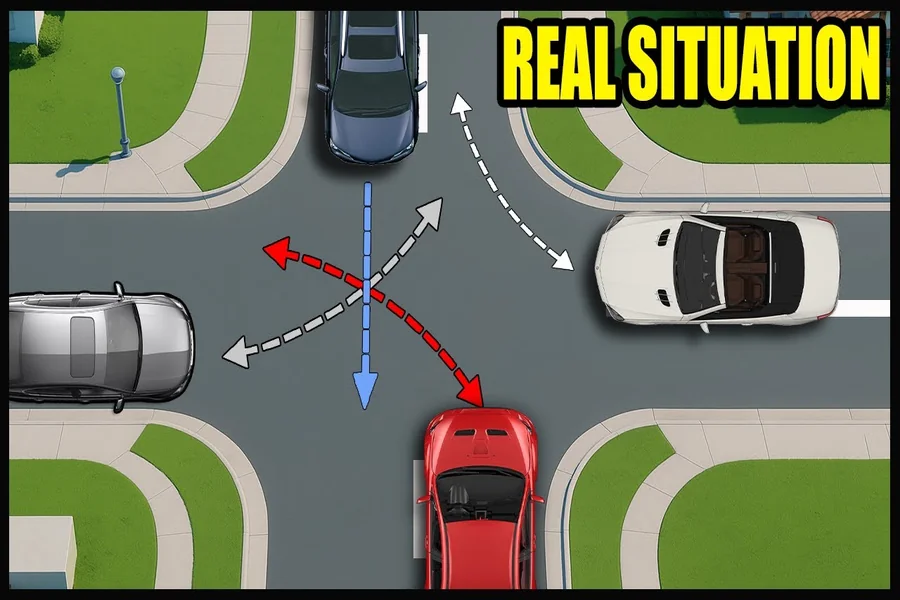

Turning across traffic looks simple from the driver’s seat, but it can become one of the most dangerous movements on the road. A driver may have only a few seconds to judge speed, distance, lane position, pedestrians, cyclists, and oncoming vehicles. When that judgment is rushed or careless, a routine turn can lead to a serious crash.
These collisions are often disputed because the turning driver may claim there was enough time to cross. The injured person may know the turn happened suddenly, but proving that requires a careful look at timing, visibility, and driver choices. People hurt in these crashes may seek guidance from Spokane car accident lawyers to better understand what evidence may show the turn was unsafe.
1. Treating a Small Gap Like an Open Invitation
One common mistake is assuming that any open space in traffic is enough room to turn. A driver may see a gap and focus only on beating the next approaching vehicle. They may not think about how quickly that vehicle is traveling or whether there is enough time to complete the turn safely.
A safe turn is not just about starting the movement. The driver must be able to finish the turn without forcing others to brake, swerve, or slow suddenly. When a driver misjudges the gap, the approaching motorist may have no realistic chance to avoid impact.
2. Forgetting That Oncoming Speed Is Hard to Judge
Drivers often underestimate how quickly an oncoming vehicle will reach the intersection. Distance can be deceptive, especially on wider roads, near hills, at night, or when traffic is moving faster than expected. A vehicle that looks far away may arrive in the turn path within seconds.
This mistake can be especially dangerous when the turning driver hesitates halfway through the movement. A pause, slow start, or late acceleration can leave the vehicle exposed in the oncoming lane. Investigators may look at road layout, sightlines, speed, and impact location to understand whether the turn was reasonable.
3. Letting the First Vehicle Hide the Second One
A driver may wait for one oncoming vehicle to pass and then immediately begin turning. The problem is that another vehicle may be behind it, beside it, or hidden in a neighboring lane. When the first vehicle clears, the turning driver may enter the intersection without fully checking for the next hazard.
This often happens on multi-lane roads where one lane of traffic blocks the view of another. A driver may think the path is clear because the nearest car passed, but a second vehicle may still be approaching. Safe turning requires a fresh check, not just reacting to the movement of the first car.
4. Trusting a Turn Signal Too Much
Sometimes a driver turns because they believe an oncoming vehicle is also turning. They may see a signal, assume the other driver will slow down, and move across the lane. But signals can be left on by mistake, activated too early, or misunderstood in busy traffic.
A turn signal is useful information, but it should not replace careful observation. Drivers should wait until the other vehicle’s movement confirms the turn is actually happening. Relying on a signal alone can place the turning driver directly in front of a vehicle that continues straight.
5. Rushing Because Other Drivers Are Waiting
Pressure from traffic can lead to bad decisions. A driver waiting to turn may feel hurried by honking, a long line of cars behind them, or frustration over several missed gaps. Instead of waiting for a clearly safe opening, they may take a risky chance just to stop feeling stuck.
That pressure does not excuse an unsafe turn. Drivers are expected to wait until the movement can be completed safely. When impatience becomes part of the decision, the crash may reveal more than a simple miscalculation. It may show that the driver chose convenience over caution.
6. Ignoring People Outside the Vehicle Lanes
Turning across traffic does not only create risk for other drivers. Pedestrians, cyclists, scooter riders, and motorcyclists may also be moving through or near the intersection. A driver focused only on oncoming cars may fail to notice someone in a crosswalk, bike lane, shoulder, or adjacent travel lane.
This divided attention can create a second danger after the driver begins the turn. Even if the driver avoids one vehicle, they may strike a person they never checked for. A safe turn requires a full scan of the entire area, not just the lane with the largest approaching vehicle.
7. Failing to Adjust When the View Is Blocked
Parked cars, delivery trucks, signs, landscaping, glare, bad weather, or other vehicles can block a driver’s view before a turn. Some drivers respond by guessing and moving anyway. That guess can be dangerous because the hidden vehicle or pedestrian may already be close.
When the view is limited, the safer choice is to wait, move slowly, or choose another route if necessary. A blocked sightline should make a driver more cautious, not more willing to gamble. Photos of the intersection, nearby obstructions, lighting, and traffic conditions may help show why the turn should not have been attempted.
Unsafe Turns Deserve a Closer Look
Turning across traffic requires patience, attention, and sound judgment. Crashes often happen when drivers rush gaps, misread speed, trust assumptions, react to pressure, or fail to check for people outside their direct line of sight. These mistakes can leave injured victims facing pain, missed work, vehicle damage, and long recovery periods.
After this kind of collision, the details matter. Vehicle damage, witness statements, traffic footage, skid marks, signal timing, and intersection layout may all help explain why the turn was unsafe. A careful investigation can show whether the crash was truly unavoidable or whether one driver made a risky choice that placed others in danger.