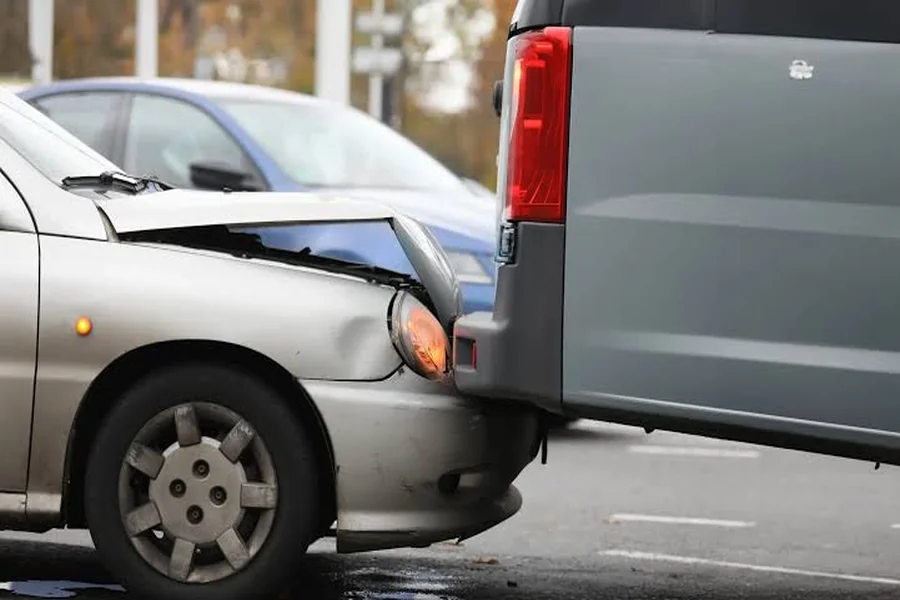
A rental car might look no different from any other vehicle at a collision scene. The paperwork behind it, however, can change the insurance questions. The person driving may not own the car, the rental company may have separate obligations, and optional products purchased at the counter may cover entirely different losses.
For people injured in a Charleston crash, the practical challenge is separating three issues: who caused the collision, which insurance applies, and what the rental agreement actually says. The answers require more than the company’s name on the license plate or an insurer’s first explanation.
The Person Behind the Wheel May Not Be the Renter
The name on a rental contract identifies who entered the agreement, but it does not establish who was driving when the collision happened. An additional driver may have been authorized, or someone else may have taken the wheel outside the contract’s terms.
Obtain the driver’s identity, the rental agreement, and any additional-driver information. A restriction in the agreement can create a coverage dispute, but it does not automatically resolve negligence or eliminate every potential source of insurance. Keep the contract question separate from what happened on the road.
More Than One Insurance Policy May Need Reviewing
Rental crashes can involve the driver’s personal automobile insurance, liability protection associated with the rental, and optional coverage purchased during booking. The National Association of Insurance Commissioners advises consumers to check existing policies before assuming they need every product offered by a rental agency.
This is where legal assistance after a Charleston car wreck can help untangle competing coverage explanations. One policy may address damage to the rental car while another deals with injuries suffered by other motorists. Identifying the actual insurer, covered driver, applicable limits, and exclusions is more useful than treating every coverage document as interchangeable.
A Damage Waiver Is Not the Same as Liability Insurance
Rental counters frequently offer collision damage waivers or loss damage waivers. The NAIC explains that these products concern damage to or loss of the rented vehicle. They are different from supplemental liability insurance, which addresses liability for injuries or property damage to others.
That distinction matters to both renters and people struck by rental vehicles. A renter’s purchase of a damage waiver does not establish that another injured driver has an additional source of bodily injury compensation. Read the product terms instead of relying on broad labels such as “full coverage.”
The Rental Company Does Not Automatically Owe Damages
Federal law limits claims based only on a rental company’s ownership of the vehicle. Under 49 U.S.C. §30106, often called the Graves Amendment, a rental business generally is not liable solely because it owns a rented car when the statutory conditions are met, and the owner has not engaged in negligence or criminal wrongdoing.
The law does not provide blanket protection for every act by a rental company. A claim alleging the company’s own negligent conduct requires separate facts and legal analysis. Ownership and responsibility cannot be treated as synonyms.
State Minimums Are a Floor, Not a Settlement Figure
West Virginia sets minimum financial responsibility amounts of $25,000 for injury or death to one person, $50,000 for injuries or deaths involving multiple people, and $25,000 for property damage per crash. These figures appear in West Virginia Code §17D-4-2.
They describe minimum required coverage, not the value of an injury claim or the limits of every applicable policy. Actual insurance may provide higher limits. West Virginia’s §33-6-31 also addresses uninsured motorist coverage and offers optional underinsured motorist protection. Eligibility depends on the particular policy and circumstances.
Credit Card Benefits Have a Narrower Purpose
A credit card used to book the rental may provide collision or theft benefits, often subject to conditions and exclusions. The NAIC notes that these benefits are frequently secondary to other applicable coverage. Card benefits should not be mistaken for automatic bodily injury liability protection.
The renter can obtain the card issuer’s benefit guide and check requirements concerning payment method, rental duration, vehicle type, and reporting. Someone injured by the rental driver should not assume the card issuer is a liability insurer simply because the vehicle was booked on that card.
Preserve the Rental Trail Alongside Crash Evidence
A police report and scene photographs help explain the collision, while rental documents help explain coverage and control of the vehicle. Useful records include the booking confirmation, signed agreement, additional-driver authorization, insurance selections, pickup and return times, and communications with the rental company.
West Virginia Code §17C-4-7 requires investigating officers to prepare reports for qualifying crashes and provide identifying and insurance information to involved parties on request. Retain the documents received and make a note of whom you contacted. The rental company may retrieve or repair its vehicle quickly, making prompt preservation of relevant evidence valuable.
Fault Remains a Separate Question From Coverage
An insurance dispute does not determine which driver acted carelessly. Witnesses, roadway conditions, vehicle damage, and available recordings may establish how the collision occurred. Rental paperwork identifies contractual relationships; it does not show who failed to yield or followed too closely.
West Virginia applies comparative fault principles under §55-7-13a. An evaluation needs to address each involved person’s conduct rather than assigning responsibility according to who owns the car or whose insurer responds first.
Keep Every Decision Tied to a Document
After a rental-car collision, request copies of relevant policies and agreements, document injuries and expenses, and avoid interpreting a coverage denial as the final answer without reviewing its basis. Separate the claim for damage to the rented vehicle from claims for injuries and losses caused to others.
The rental aspect adds paperwork, not a shortcut to responsibility. A reliable assessment follows the driver, the contract, the insurance, and the collision evidence as distinct lines of inquiry—then connects them where the facts and law support it.