

The custom apparel industry has opened new opportunities for freelancers and small business owners. With the right tools and a simple workflow, anyone can start creating and selling personalized products from home.
However, success in this space is not just about creativity, it’s about building a reliable system that works consistently, even when orders are small or irregular.
By combining a heat transfers machine, iron on heat transfer vinyl, and a vinyl cutter, you can create a setup that is both efficient and easy to manage.
Why Workflow Matters More Than Equipment
Many beginners focus on buying tools, but overlook how those tools fit into daily work.
A typical small business routine includes:
- a few orders during weekdays
- more demand during weekends
- breaks with no production
This uneven workflow can create issues if your setup requires constant use or maintenance.
That’s why many freelancers also use a dependable DTF Printer, a solution designed to handle small-batch production without creating problems after idle periods.
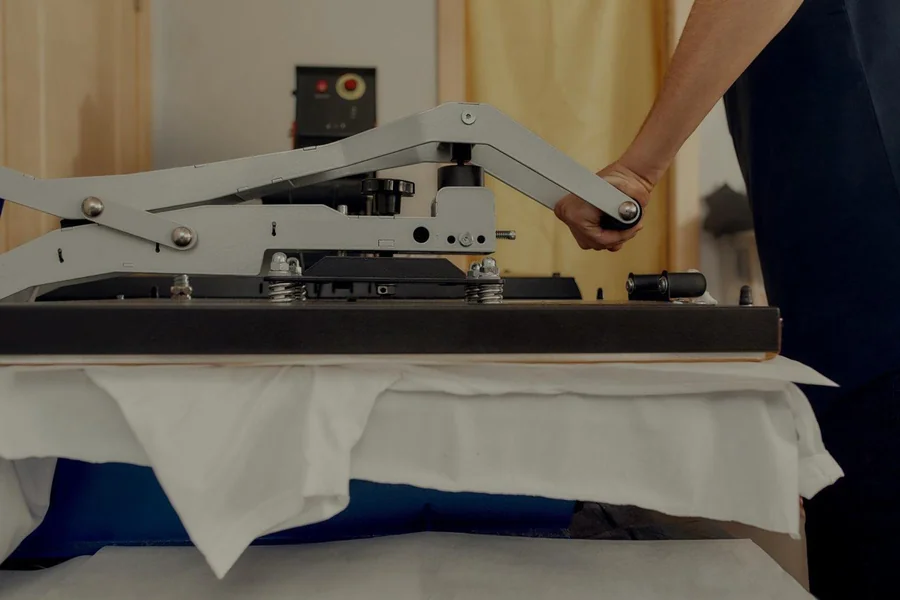
The Role of a Heat Transfers Machine
A heat transfers machine is one of the most important tools in apparel printing:
It allows you to apply designs onto fabric using controlled heat and pressure.
This ensures:
- strong adhesion
- consistent results
- long-lasting prints
For beginners, this tool forms the backbone of the entire production process.
Using Iron-On Heat Transfer Vinyl
Iron on heat transfer vinyl is one of the easiest ways to create custom designs:
This material is widely used because it:
- can be cut into shapes or text
- is easy to apply using heat
- produces clean and durable designs
It is often the starting point for new apparel businesses due to its simplicity and affordability.
How a Vinyl Cutter Completes the Setup
A Vinyl cutter is essential for shaping your designs before applying them:
It allows you to:
- cut precise patterns
- create logos and text designs
- prepare custom artwork
This makes it possible to produce professional-quality products without complex equipment.
Where DTF Printing Adds Value
While vinyl methods work well for simple designs, they can be limiting when it comes to detailed graphics or multi-color artwork.
That’s where a DTF Printer becomes valuable.
For small businesses, the biggest advantage is ease of use and reliability.
For example:
- you can pause production for a few days and restart easily
- you can handle both small orders and larger batches
- you don’t need constant maintenance
This makes it ideal for freelancers who want a low-stress workflow.
A Simple Workflow That Works
A practical workflow for beginners looks like this:
- Create your design
- Cut vinyl or prepare transfer
- Position design on garment
- Apply using heat transfers machine
- Pack and deliver
This system is easy to follow and scalable as your business grows.
Real-Life Scenario: Home-Based Seller
Imagine running a small online t-shirt store.
- Weekdays: 2–4 orders
- Weekends: 10+ orders after promotions
During production, you:
- cut designs
- apply transfers
- prepare shipments
If your setup is reliable, everything runs smoothly.
If not, delays and mistakes can reduce your profits.
Multitasking Without Stress
Freelancers often handle multiple roles:
- customer communication
- store management
- production
A good setup allows you to:
- run production efficiently
- avoid constant supervision
- focus on business growth
This balance is essential for long-term success.
Reducing Costs and Increasing Profit
Every mistake affects your bottom line:
- wasted materials
- damaged garments
- reprints
A smooth workflow helps reduce these issues.
Over time, this leads to:
- higher profit margins
- faster production
- better customer satisfaction
Final Thoughts
Starting a custom apparel business doesn’t require a complex setup it requires a smart and reliable workflow.
By combining a heat transfer machine, iron on heat transfer vinyl, and a vinyl cutter with a dependable DTF Printer, you can create a system that is simple, efficient, and scalable