
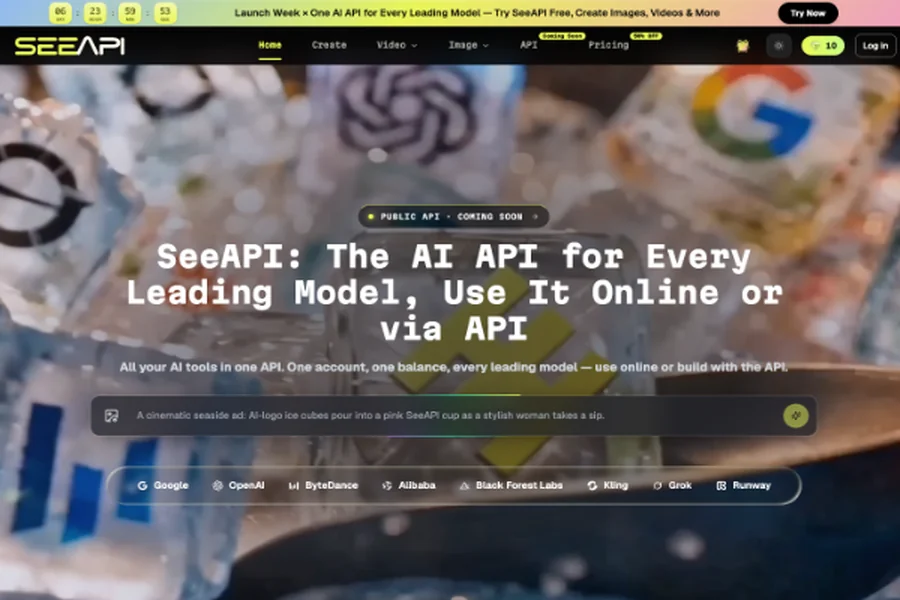

Language cards fail when the teaching object is no longer the idiom. A recent grad opens a loan statement and stops on “buyer beware.” The editor makes a card: phrase on top, one-line gloss, a still that does not fight the type. An AI API that can generate that still in a browser is useful only if the export does not stamp a mark across the phrase. A watermark on an idiom card is not a style choice. It is a second sentence the learner did not ask for.
Weekly explainer desks do not die from a lack of models. They die when a free export looks finished in the preview and unusable in the carousel. The phrase is the contract. If a vendor mark sits on “hit the ground running,” the card now teaches a logo. The editor cannot crop the mark without cropping the type. The intern cannot defend the file in a Monday packet. The claim worth testing is not whether the workspace can draw a briefcase. The claim is whether a free, marked file can ever enter a teaching slot.
What An Idiom Card Actually Has To Defend
An idiom card is a small object with a hard job. It must keep one phrase, one gloss, and one picture that does not invent a second proverb. Learners read the type first. They notice the picture second. They notice a vendor mark last, and by then the card is already a different lesson. The editor is not scoring taste. The editor is scoring whether the phrase still owns the frame.
Write the object before anyone opens a generate box. Name the idiom as it will print. Name the one thing the picture is allowed to do: a desk, a door, a ticket, or nothing. If the prompt is not on that list, do not run it. “Make it more business” is how a second slogan arrives on the folder. The card then teaches two idioms and a brand. That is a fail the learner will screenshot.
Idiominsider readers come for the phrase, not for a mood. A card that invents a second proverb in the picture forces the gloss to argue with the still. The editor then writes a longer caption to paper over the fight. Longer captions are how weekly packets slip. The still should make the gloss shorter, not longer. If the picture needs a paragraph, the picture is the wrong object.
Why A Free Watermark Kills The Teaching Object
A free lane exists. It is ten credits a month, the house provider only, and the export is marked. That is enough to see whether a still can hold a phrase. It is not enough to publish. A mark on a language card is not a discreet footer. It sits on the type or on the object the gloss depends on. The learner reads the mark as part of the idiom. The editor then spends the hour explaining that “SeeAPI” on the card is not the phrase.
That hour is the cost. Not the credit. A card that looked fine in a square preview and arrives with a stamp is a soft miss that still burns the slot. The packet has a hole. The intern hunts a clean file. The phrase waits. Teaching desks do not have a spare carousel. They have one card per idiom and a publish window that does not care about a trial mark.
The mark also breaks reuse. A card that ships once with a stamp cannot be dropped into a later listicle, a newsletter, or a classroom slide without another round of cropping. That second round is where the type gets thinner and the gloss gets rewritten. The learner who saw the first version now sees a different lesson. Consistency is the product. A free stamp makes consistency expensive.
How The Free Tier Marks The Export
The public split is simple. The free lane is for anyone exploring the workspace. Paid lanes strip the mark, keep the generation private, and allow commercial use. The language desk only needs that sentence. It does not need a model parade. If the file will sit on a public card, the free export is the wrong object. If the file is a private sketch to see whether a briefcase still reads as “hit the ground running,” the free lane is the right object.
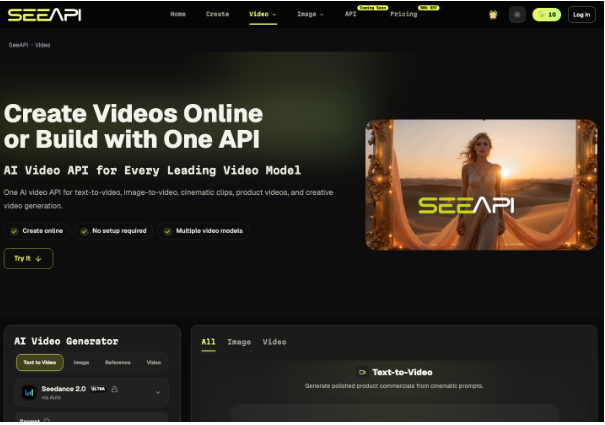
The test is visual, not rhetorical. Generate the still. Put it on the card template at the size the learner will see. Read the idiom out loud. If a mark sits on the phrase or on the object the gloss names, the file is out. Do not “fix it in crop.” Cropping a mark off an idiom usually crops the type. That is how a lesson becomes a fragment.
Read The Phrase At Carousel Width
Hold the card at phone distance. If the idiom softens, the still is not ready. If the mark is the first thing a colleague reads, the still is not ready. When I placed the locked phrase card next to the first free export, the stamp sat on the last word. That file never entered the packet. The rule of rejection lived on our desk, not in a brand wiki.
Keep The Free File Off The Public Card
A trial export can live in a private folder. It cannot live on the site. The intern should be able to reject it without a design meeting. “Marked” is enough. “We can fade it” is how a second sentence enters the lesson. Language cards do not fade vendor marks. They refuse them.
What Paid Unlocks For A Phrase Card
Paid plans on the public page add the three things a teaching card actually needs: HD exports without a mark, private generations, and commercial use. That is the whole unlock for this desk. Privacy matters because a draft idiom card is not a public joke. Commercial use matters because the card will sit next to other lessons and may be reused in a packet. HD without a mark matters because the phrase is the product.
The desk does not need every model on the wall. It needs one still that can hold type. Image editing and a reference slot help when the editor already has a clean object and only wants a background change. A text-only prompt will invent a second proverb. Attach the reference. Ask for the one change. Leave motion off this job. The card is a still.
Compare before anyone treats a paid seat as a personality trait. The paid lane is a gate for the export, not a taste badge. If the unmarked file still crowds the idiom, the desk does not need a higher plan. It needs a tighter brief. The clock is the scarce thing. The mark is what wastes it.
Attach The Object Before Asking For Type Space
If the card needs a door for “get a foot in the door,” attach a door. Do not ask the model to invent a lobby and a slogan. The public image path is prompt plus an optional reference, then compare. Use the reference. When we opened the image workspace, the useful gesture was edit-plus-reference on the locked object, not a sentence that built a second idiom. SeeAPI keeps that path in one account. It does not write the gloss.
Where The Card Goes After The Export
The card goes into a template with a fixed type box. That box is the judge. A still that looked generous in the generate preview can crowd the idiom once the template locks the margins. Compare at template size, not inside the generate pane. If the object eats the phrase, the file is discarded. If the phrase holds and no mark is present, the file can enter the packet.
| File | Where it may live | Where it may not |
| Free, marked, house provider only | Private sketch folder | Public idiom card |
| Paid, unmarked, private, commercial | Card, packet, reuse | Nowhere the phrase cannot be read |
The table is a gate, not a taste debate. SeeAPI makes the split visible. The editor still has to walk the file through the template. A clean export that covers the idiom is still a fail. A marked export that leaves the idiom readable is still a fail. Both fail for the same reason: the teaching object moved.
Who Should Keep The Free Lane
Keep the free lane for sketches. Ten credits a month is enough to see whether a still can hold a phrase before anyone talks about a paid seat. It is not a publishing budget. Desks that treat the trial as a publish path will spend the week cropping marks and rewriting glosses. Desks that treat the trial as a reject bench will spend the week on the next idiom.

The house-provider limit on the free lane is also a teaching fact. The sketch is not a provider bake-off. It is a check that the object can sit under type. Save the bake-off for a week when the card is not due. The due card needs one unmarked file, not a comparison grid.
Editors who skip that split end up arguing about models while the packet is already late. The model did not put the mark on the idiom. The lane did. Change the lane before changing the prompt. If the unmarked file still fails the template, then change the object. That order keeps the week from turning into a taste meeting about briefcases and lobby plants the gloss never named. The learner does not grade the plant. The learner grades the phrase.
Use Or Skip For Language Desks
Use this workspace if the desk already has a locked idiom, a one-line gloss, and a reject rule that treats a mark as a second sentence. SeeAPI fits that desk because the free lane is honest about the stamp and the paid lane names the three unlocks a public card needs. Skip it if the team wants a marked trial file on a live carousel, or if nobody will open the template before they judge the still.
The phrase is the product. The picture is evidence. A mark is a second author. Keep the free file in the folder. Put only an unmarked still on the card. If the idiom cannot be read at phone distance, the file does not ship. That is the whole lesson. SeeAPI does not write it. The editor does.