
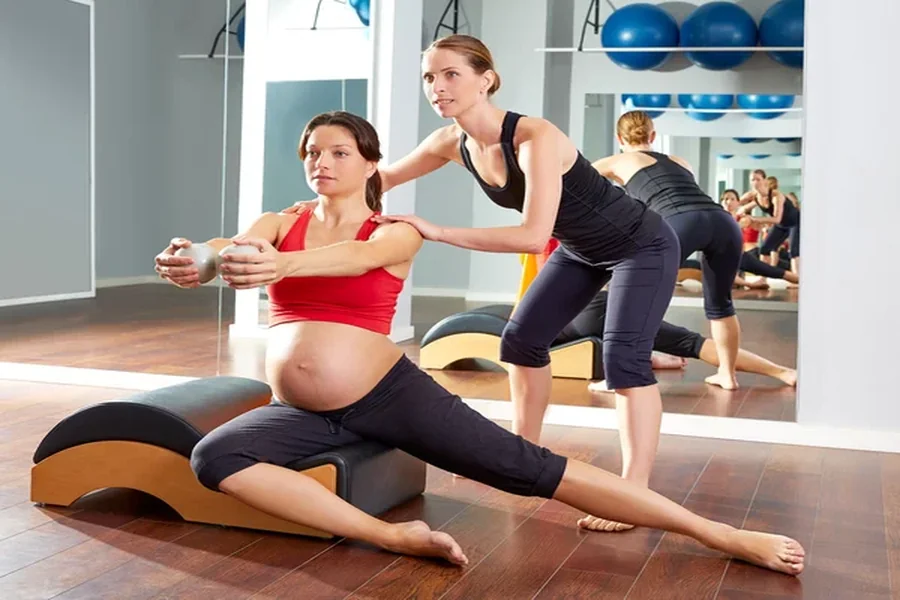

Staying active during pregnancy can support both physical and emotional well-being, and many expectant mothers are turning to Pilates as a gentle yet effective form of exercise. Doing Pilates while pregnant focuses on controlled movements, breathing, posture, and core stability, making it a popular choice for women looking for a safe prenatal workout. When practised correctly and with appropriate modifications, prenatal Pilates can help prepare the body for pregnancy changes, labour, and postnatal recovery.
Is Pilates Safe During Pregnancy?
Pilates is generally considered safe during pregnancy for women with uncomplicated pregnancies, especially when exercises are adapted for each trimester. Prenatal Pilates emphasises low-impact movements that reduce strain on joints and support the body as it changes. However, it is important to consult a healthcare professional before starting or continuing any exercise routine during pregnancy, particularly if there are medical concerns or risk factors.
Pregnancy Pilates focuses on maintaining strength without overexertion. Movements are slower, more controlled, and designed to support balance, alignment, and comfort. Avoiding exercises that involve lying flat on the back for extended periods or placing pressure on the abdomen is essential, especially after the first trimester.
Benefits of Pilates for Pregnant Women
One of the key benefits of Pilates during pregnancy is improved core strength. Pilates strengthens deep abdominal muscles, pelvic floor muscles, and the muscles that support the spine. This can help reduce common pregnancy discomforts such as lower back pain, pelvic instability, and poor posture.
Prenatal Pilates also promotes better breathing techniques, which can support relaxation and help manage stress. Controlled breathing is beneficial during pregnancy and can be particularly useful during labour. Improved flexibility and mobility are additional advantages, helping the body adapt to physical changes while maintaining muscle balance.
Many women find that doing Pilates while pregnant improves body awareness and confidence. Pilates encourages mindful movement, which can help expectant mothers feel more connected to their bodies as they change throughout pregnancy.
Pilates Modifications for Each Trimester
Pilates exercises should evolve as pregnancy progresses. During the first trimester, many women can continue modified versions of their usual Pilates routine, focusing on gentle strengthening and avoiding overheating or excessive fatigue.
In the second trimester, balance begins to shift as the baby grows. Prenatal Pilates at this stage places greater emphasis on stability, posture, and pelvic floor engagement. Exercises are often performed in seated, side-lying, or supported standing positions to ensure comfort and safety.
By the third trimester, Pilates movements become slower and more supportive. The focus is on maintaining mobility, reducing tension, and preparing the body for childbirth. Exercises are designed to minimise strain, support circulation, and encourage relaxation.
Key Areas Pilates Targets During Pregnancy
Pilates for pregnancy places strong emphasis on pelvic floor health. Strengthening and learning to relax these muscles can support bladder control and assist in recovery after birth. Pilates also targets the glute muscles and back muscles, which play a vital role in supporting the pelvis and spine as the body carries additional weight.
Postural awareness is another major focus. Pregnancy often shifts posture forward, leading to discomfort and muscle imbalance. Pilates helps reinforce proper alignment and strengthens muscles that support the neck, shoulders, and lower back.
Gentle stretching included in prenatal Pilates can also help relieve muscle tightness, particularly in the hips and lower back, which commonly become tense during pregnancy.
Tips for Practising Pilates Safely While Pregnant
Listening to your body is essential when doing Pilates while pregnant. Exercises should feel supportive rather than exhausting, and any discomfort, dizziness, or pain should be addressed immediately. Staying hydrated, moving slowly between positions, and avoiding breath-holding are all important safety considerations.
It is also important to focus on the quality of movement rather than intensity. Pilates during pregnancy is not about pushing limits but about maintaining strength, mobility, and comfort. Using props such as cushions or supports can help improve alignment and reduce pressure.
Consistency is more beneficial than intensity. Gentle, regular Pilates sessions can provide ongoing benefits throughout pregnancy without placing unnecessary stress on the body.
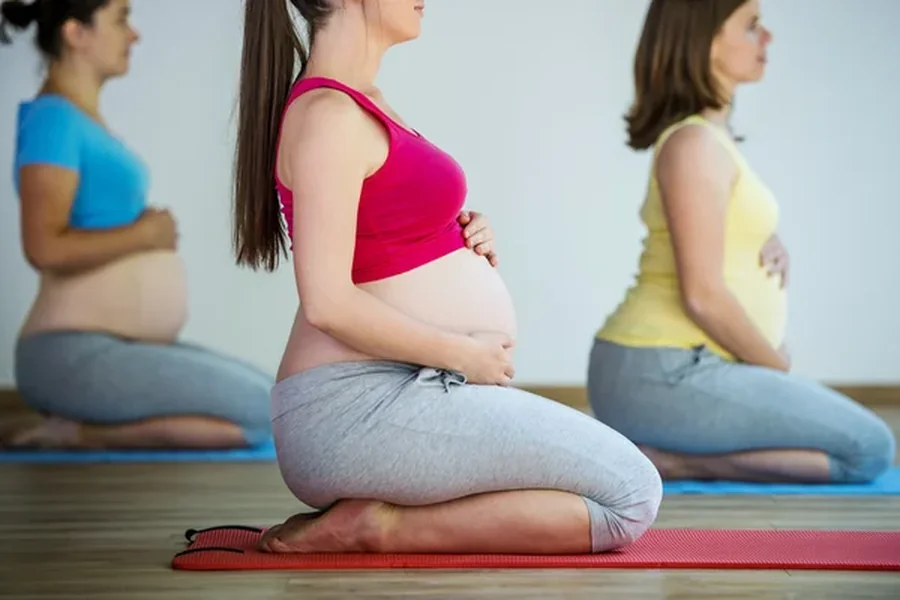
Pilates and Postnatal Recovery
Many of the benefits of prenatal Pilates extend beyond pregnancy. Strengthening the pelvic floor, core, and postural muscles during pregnancy can support a smoother postnatal recovery. Women who practise Pilates while pregnant often find it easier to reconnect with their bodies after birth and gradually return to physical activity.
Pilates can help rebuild strength safely after delivery, especially when exercises are reintroduced gradually and with proper guidance. The body awareness developed during pregnancy and Pilates can also support long-term movement habits and overall well-being.
Conclusion
Pilates is a safe, supportive, and effective way to stay active during pregnancy. With its focus on gentle strength, posture, breathing, and body awareness, prenatal Pilates can help reduce discomfort, improve mobility, and prepare the body for childbirth and recovery. When practised mindfully and adapted for each stage of pregnancy, Pilates can be a valuable part of a healthy prenatal routine, supporting both physical and emotional well-being for expectant mothers.