


Formula One has reshaped modern racing culture by turning it from a technical niche for “gearheads” into a fast-paced, online-led global craze. By putting human stories ahead of engineering details, the sport has changed what it means to be a fan, moving the spotlight from the car to the person in the cockpit. Today, racing culture goes far beyond the track; it sits inside a lifestyle built around fashion, entertainment, and social media, all as important as the checkered flag.
This cultural shift has connected the greasy workshops of the past with today’s clean, data-heavy content studios. As the sport has become easier to follow, demand for team and driver clothing has surged. Fans worldwide now want real F1 and motorsport merchandise as a way to show who they support and how they see themselves. This move from technical distance to personal connection is the base of how F1 has taken over mainstream pop culture in the mid-2020s.
How Formula One Became a Catalyst for Modern Racing Culture
What Defines Modern Racing Culture Today?
Modern racing culture is built around a “people-first” story, similar to how the NFL or NBA connect with fans. It is marked by strong emotional ties to drivers, where rivalries, comebacks, and personal struggles matter as much as lap times. In 2025 fan surveys, 90% of fans said they are emotionally tied to race results, showing how far the sport has moved from being seen as predictable. Fans also value openness, where behind-the-scenes jokes, radio messages, and drivers’ hobbies-like Charles Leclerc’s love for competitive chess-go viral just as often as a perfect overtake.
Modern racing culture is also open and very online. The old idea of racing as a “boys’ club” is fading; among fans aged 18-24, the audience is now almost evenly split by gender, with 48% being women. This new wave of fans connects with F1 every day, watching content shaped for each platform, from TikTok reaction memes to long breakdowns on YouTube. This layered way of following the sport means racing is no longer just something that happens on Sunday-it is a nonstop conversation.
Key Milestones in Formula One’s Influence on Motorsport
Formula One’s shift did not happen overnight. It came from a series of smart changes. One key moment was the sale to Liberty Media, which rewired how the sport reaches people in the digital era. By welcoming creators and influencers into the paddock, F1 changed from a closed, expensive playground for insiders into an open entertainment platform. This helped the sport move past its old image as an elite European pastime and step into its role as a truly global “show.”
Another key step was making technical ideas easier to understand. TV coverage and apps started explaining terms like “downforce” and “tire degradation” in simple language, like how baseball broadcasters explain advanced stats. This lowered the entry barrier and let new fans enjoy the strategy side of racing without needing an engineering background. By celebrating the science of speed without letting it drown out the drama, F1 created a new model for how technical sports can reach a big mainstream audience.
Innovations Driven by Formula One: Technology, Safety, and Data
How Formula One Innovates Vehicle Performance and Safety Standards
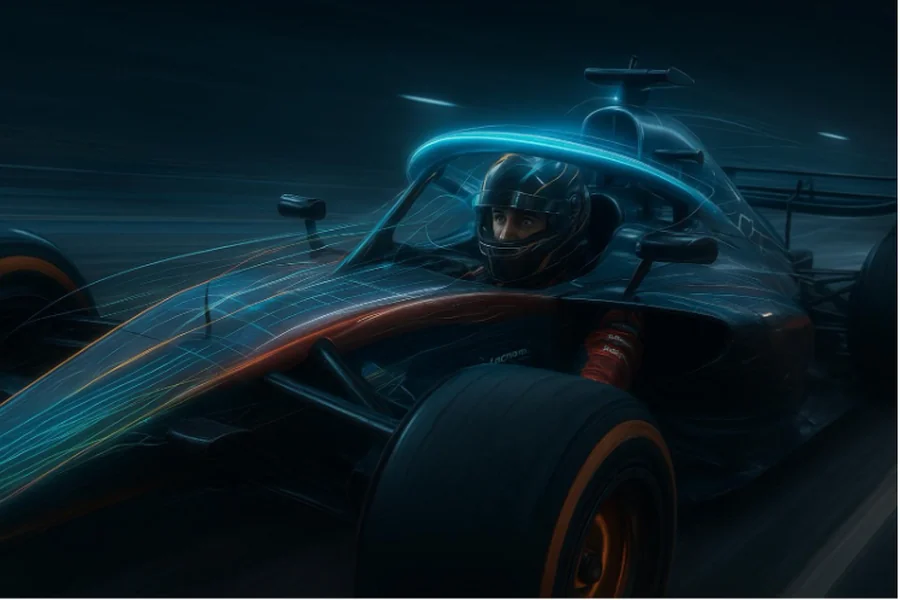
Formula One has long acted as a high-level test ground for car technology, pushing how far we can go with materials like carbon fiber and advanced aerodynamics. The money involved is huge; teams such as Mercedes and Ferrari have spent more than $450 million on a single season’s car. This “performance at any cost” approach speeds up progress in materials, engine efficiency, and hybrid systems, as teams hunt for every thousandth of a second. Many of these advances later show up in road cars, raising both performance and safety standards for everyday drivers.
Safety has changed just as dramatically, often following serious crashes and near misses. The “halo” cockpit device and better fire-resistant gear came from F1’s constant push to keep drivers alive at 200 mph. These measures have become a model for other racing series, helping protect drivers across many levels of motorsport. F1’s mix of extreme speed with high-end safety tech is one of its biggest long-term contributions to modern racing culture.
Impact of Data Analytics and Digital Strategy in Shaping Fan Experience
The stream of data and graphics on the pit wall is no longer just for engineers. Formula One now feeds live data straight into the fan experience, using real-time telemetry to build a more interactive broadcast. Viewers can see “AWS Insights” and live race predictions that help them feel like part of the strategy team. This openness has turned the technical side into a kind of game, where fans argue about tire choices and pit windows with the same passion as team bosses.
Digital planning has also changed how people follow a race weekend. Tools like “Onclusive Social” let F1 track online fan reactions and shift its content quickly toward the stories people care about, whether that’s a rookie’s first podium or a veteran’s return to form. By acting like a modern media company, F1 makes sure the same data that guides race strategy also shapes how fans stay engaged, keeping people talking long after the checkered flag falls.
Redefining Fandom: How Formula One Engages Global Audiences
What Sparked the Global Formula One Audience Boom?
The current surge in global interest came from a change in how F1 tells its story. For years, the sport was a technical contest hidden behind closed doors. Things changed when F1 started framing itself as a human drama. By giving fans more open access to the paddock, the sport showed drivers as central characters in a long-running “rival empire” storyline, not just pilots of fast cars. This helped F1 move from a narrow European interest to a global content hit followed by millions — and it also fueled demand for lifestyle-driven motorsport gear you now see in places like https://www.topracingshop.com/.
Realness has driven a lot of this growth. Instead of relying on old-school ads and slogans, F1 gave space to new kinds of voices. Female creators and influencers have played a major role, focusing on culture and personality. Short clips about helmet designs — like Alex Albon’s tribute to his partner’s Chengdu heritage — reach millions of people who might ignore horsepower charts but connect deeply with personal stories.
Fandom Evolution: Gen Z, Women, and U.S. Viewers
The makeup of F1’s fanbase has shifted dramatically. In 2017, only about 8% of viewers were women; today, studies show that women make up 3 out of 4 new fans. This “new wave” is younger, more mixed in background, and very online. Gen Z fans in particular are highly engaged, with 70% of U.S. Gen Z respondents saying they interact with F1 content every day. For them, F1 carries an image and lifestyle appeal that fits their values and self-expression.
The rise of the American fan is another big part of the story. The U.S. now provides the largest share of responses in global F1 fan surveys. These fans are “digital-first,” consuming more content and reacting more strongly to sponsors than many other groups. They do not just watch the race broadcast; they follow drivers’ personal lives, join in online joke trends, and treat the sport as part of who they are socially. This change has turned the United States from a hard market to crack into a driving force behind F1’s global rise.
Role of Storytelling and Content Streams in Motorsport Popularity
From Racetracks to Streaming Platforms
The move from only live racetrack coverage to always-on streaming has been one of F1’s most effective marketing “pit stops.” With long recaps, team radio highlights, and mini-documentaries on YouTube and other platforms, F1 keeps storylines alive between race weekends. Fans can rewatch the tension of a title showdown or the shock of a big crash through polished digital videos that stress the human emotion, making the sport feel closer to a movie series than a standard sports broadcast.
The Netflix Effect: Drive to Survive and Social Media Buzz
The arrival of Drive to Survive in 2019 is often pointed to as the key turning point for modern racing popularity. By presenting the sport as a set of cliffhangers and character-focused episodes, the series turned many people who never watched a race into serious fans. This “Netflix Effect” sparked huge social media activity, where memes, quotes, and lifestyle clips became the main way people interacted with F1 online. Drivers like Max Verstappen and Yuki Tsunoda have turned into online stars, with their off-track jokes and interactions pulling in millions of likes and making a high-tech sport feel much more human.
Expansion and Adaptation: Formula One’s Growth in the United States
From Niche Popularity to Mainstream Recognition
F1’s rise in the U.S. has been rapid. In 2021, races in the States drew an average of about 931,000 viewers-up 53% from the year before. That climb has continued as F1 has moved from a small cable niche to a regular talking point in American pop culture. Appearances by F1 drivers in music videos, Silicon Valley events, and late-night talk shows show that the sport has broken through and reached a wide audience beyond car fans.
This wider visibility is helped by a “festival-style” take on race weekends. While many older European races center almost fully on the on-track action, U.S. events are built as multi-day entertainment festivals. This suits American fans who want a full outing, mixing racing with concerts, food, and social scenes. The result is that “Formula One” now suggests a high-energy lifestyle event, not just a two-hour race.
Key Factors Driving Formula One’s Success in North America
Adding races in Austin, Miami, and Las Vegas was a major step in making F1 more accessible. These cities were picked not only for their circuits but also for their status as global party and tourism destinations. The Miami Grand Prix, for example, saw engagement climb by about +210% in its early years, proving that the city itself helps draw attention. By turning each race weekend into a cultural moment filled with music, fashion, and celebrities, F1 has copied the “Super Bowl” style, turning each event into a must-attend or must-watch experience.
The U.S. fan focus on individual drivers has also mattered a lot. About 40% of U.S. survey respondents say they follow a particular driver more than a team or the sport overall. This person-centered fandom works very well on social media, where people feel they know the athletes directly. When drivers like Daniel Ricciardo or Lewis Hamilton show love for American culture, it builds a two-way relationship that strengthens F1’s place in North America.
The Business of Speed: Sponsorship, Branding, and Motorsport Economics
How Brands Leverage Formula One’s Global Stage
F1 has shifted from being a rolling ad board for cigarettes to a complex global stage for modern brands. Tech companies like Oracle and financial firms like Revolut now line the grid, using the sport’s image of precision and speed to build their own reputations. Brands such as LEGO have captured around 40% of branded F1 engagement by building full-size car replicas and character-led content, making F1 part of their product storytelling instead of just a logo buy.
The “Paddock Club” and similar high-end hospitality areas act as a meeting points where business leaders trade influence and build networks through luxury services and gifts. For premium brands like Aston Martin, these setups are key for reaching customers who want status and exclusivity. Even if younger fans cannot yet buy a luxury car, the brand still gains long-term value by linking itself with the style and success of the F1 paddock.
Sponsorship Models and ROI in Modern Racing
In 2024, F1 teams brought in a record $2.04 billion in sponsorship income, showing how strong the sport’s returns can be. Sponsorship has moved from simple logo placement to what brands describe as real “fan-first” experiences. Companies now build content houses, fan zones, and interactive activations that offer something useful or fun to supporters. This type of partnership tends to grow better than old banner ads because it feels like a natural part of the F1 story.
The “Matthew Effect”-where big winners attract even more money-still shapes F1 economics, since top teams pull in more sponsor deals. The recent “cost cap” rule is an attempt to make spending more balanced by limiting how much teams can invest in car development per year. Leading teams still benefit from years of work and stronger facilities, but the cap forces everyone to think harder about value. Marketing and fan engagement budgets are not included under this cap, which shows that the battle for attention and cultural impact off the track is almost as intense as the chase for points on Sunday.
Formula One’s Impact Beyond the Track: Culture, Fashion, and Lifestyle
How Racing Culture Has Influenced Streetwear and Fashion Trends
The meeting point between F1 and fashion has turned the pit lane into a kind of runway. Collabs like Adidas x Mercedes-AMG and PUMA with Ferrari have pushed racing looks into daily streetwear. Drivers such as Lewis Hamilton and Charles Leclerc have become style leaders; Leclerc has even released capsule collections with full fashion shows. These projects let fans see the drivers as people with tastes and interests, not just as athletes in overalls.
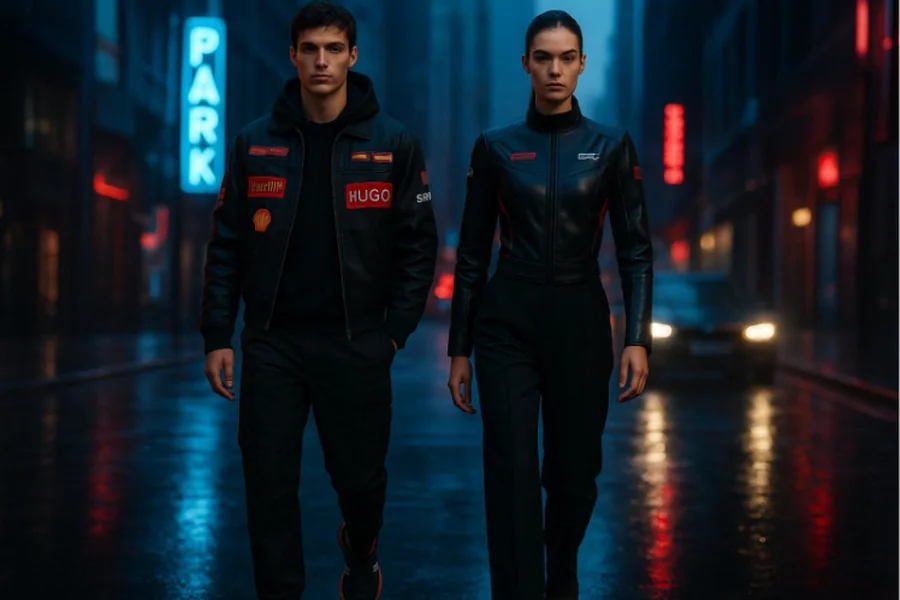
Streetwear now often includes “racing jackets,” bold logos, and technical fabrics similar to pit crew gear. This “racing core” look has caught on with Gen Z and trend-focused shoppers who like the high-performance and status image tied to F1. By stepping into fashion, Formula One has widened its reach beyond racing and turned into a strong influence on global lifestyle and style trends.
Event Experiences: Race Weekends as Global Entertainment Platforms
By 2026, a Formula One race weekend is a full-scale entertainment package. Classic stops like Monaco still sit on the billionaire travel map, but they now share attention with crossover events like the Santan Cup in Monaco, which brings together football stars, musicians, and racing. These mixed events meet fans in spaces they already enjoy, giving them multiple reasons to pay attention.
The “show” around F1 is now enough to attract visitors even if they are not hardcore racing followers. World-famous clubs, high-end services, and big-name music acts have made race weekends into “bucket list” trips for people around the world. Turning the sport into a lifestyle experience helps F1 stay relevant in an age where people want access, honesty, and emotional stories more than dry performance numbers.
What the Rise of Formula One Means for the Future of Motor Racing
Balancing Tradition and Innovation in Motorsport
As F1 looks ahead, it has to balance its long history with its bright, modern image. Historic circuits like Monaco and Silverstone keep the sport grounded in its 70-year story, adding a weight and prestige that newer street tracks cannot easily match. At the same time, change is needed for the sport to keep growing. The ongoing push and pull between long-time fans and newer audiences helps F1 move forward while still holding on to the competitive spirit that shaped its early decades.
The next big turning point is the 2026 rule change for engines, which will shift the focus toward cleaner power and more electric output. The new rules are meant to pull in more car makers, with Audi and Cadillac already planning to join the grid. By lining up its technical future with global climate and sustainability goals, F1 keeps its spot as a leader in car tech while staying in tune with a younger generation that cares deeply about the environment.
How New Audiences Are Shaping the Next Generation of Racing
The arrival of younger, more mixed audiences is already changing how racing works. The growth of the F1 Academy comes directly from the rising number of female fans, giving women a clearer and more supported path into high-level motorsport. Today, 42% of female fans follow F1 Academy, making it the second most-followed series after F1 itself. This move toward wider inclusion is not just a PR exercise; it reflects a real shift in how the sport is organized socially, helping future drivers, engineers, and leaders better match the fans watching them.
The “creator economy” will keep shaping how people consume the sport. As drivers spend more time acting like content creators, the line between athlete and influencer will continue to blur. This will likely open doors to even more immersive fan experiences, whether through augmented reality, VR, or deeper links with gaming worlds. Looking ahead, the future of motor racing points toward broader access and greater openness, where the shared love of speed brings together millions of people around the globe, all following the same show in their own way.