Two days. That’s the honest answer for most residential driveways, and it’s also the answer that gets people in trouble, because “walkable” and “drivable” and “actually finished curing” are three different things. A neighbor of mine backed his truck onto day-old concrete on a warm July afternoon. The tire marks are still there four summers later, baked in like a fossil.
Here’s what I’ll cover: what the cure timeline actually looks like, why the calendar matters more than the weather forecast, and a short list of questions to ask before anyone pours a single yard of mud on your property. If you’re planning a driveway or a commercial lot, some of this depends on who’s doing the work. A crew that’s been pouring in central Ohio for generations, like the team behind this Driveway Concrete Installation in Columbus, OH, service, will have opinions about timing that a generic online calculator won’t. Listen to them over the internet.
What the cure timeline really looks like
Concrete doesn’t dry. It cures, which is a chemical reaction between cement and water, and that reaction keeps going long after the surface looks finished. Most mixes reach a point where foot traffic is fine somewhere around 24 to 48 hours. Vehicles typically wait about seven days, and that first week is when a heavy truck does the most damage.
Then it keeps getting harder. Full design strength usually shows up around the 28-day mark, which surprises people who assume the slab is done the moment the forms come off. It isn’t done. It’s just presentable.
| Timeframe | What’s safe | What isn’t
|
|---|---|---|
| 24 to 48 hours | Walking, pets, light foot traffic | Vehicles, ladders, anything with point loads |
| About 7 days | Passenger cars and light pickups | Heavy trucks, loaded trailers, dumpsters |
| 28 days | Full design strength, normal use | Nothing, assuming it was poured right |
Those numbers shift with mix design, slab thickness, and temperature. A hot, windy day pulls moisture out of fresh concrete faster than the cement can use it, which is why good crews cover slabs or spray a curing compound. If you see someone skip that step on a dry August pour, ask why.
Why Ohio weather is the real variable
Central Ohio gives you four seasons of curing problems in a single year. July pours can flash-dry on the surface before the crew finishes finishing. January pours need heated water, blankets, or both, and some contractors simply won’t pour below a certain temperature because the risk to you isn’t worth the schedule.
Rain is the sneaky one. A light sprinkle during finishing can rough up the surface in ways you’ll notice forever. A downpour after the slab sets but before it cures can wash out the top layer.
This is where a local crew earns its price. An outfit that pours here every week knows what a summer thunderstorm does to a pour scheduled at 2 p.m. They’ll start at 6 a.m. instead. You can’t get that judgment from a national franchise or a guy with a truck and a Facebook page. According to the National Weather Service, severe summer storms routinely move through the region with little warning, so scheduling around the radar isn’t paranoia, it’s just Tuesday.
Three questions that separate a real contractor from a risky one
I’ve watched enough driveway projects go sideways to have a short list. Ask these before you sign anything, and pay attention to whether the answers are specific or vague.
- What’s the base going to be? Concrete fails from underneath far more often than from the top. A proper compacted gravel base with the right thickness matters more than the concrete brand. If they shrug at this question, walk.
- How are you handling joints and drainage? Control joints tell the concrete where to crack, because it will crack. Slopes and grading tell the water where to go, because it will pool. Both should get a real answer, not a wave of the hand.
- Who’s pulling the permit, and what’s the mix? Your municipality usually has requirements for approach aprons and right-of-way work. The mix design, meaning the psi rating and air content, should be something they can tell you without calling the plant.
One more thing worth doing. Ask each contractor for two addresses of driveways they poured at least five years ago. Drive by them. Look for cracks that got wider than a hairline, sunken corners, spalling near the street. That ten-minute drive tells you more than any glossy brochure. I’d pick the contractor with the plainest website and the cleanest five-year-old slabs every single time.
The Cure Clock: my simple framework for planning the pour
Most people plan a driveway around the contractor’s schedule and their own vacation days. That’s backwards. I think about it in four phases, in this order, and the order matters more than the exact dates.
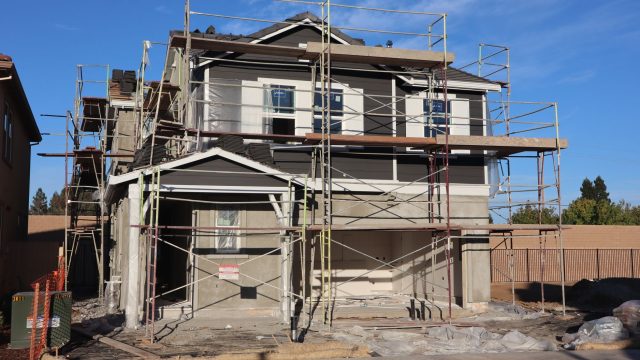
- Demolition and haul-off. The old slab comes out, trucks come and go, and your driveway is a gravel pit for a day or two. Clear the vehicles.
- Base, forms, and inspection. This is where the project is actually won or lost, and it’s the phase homeowners skip watching. Be home for it.
- Pour and finish. One long day of noise and activity, then the slab starts its clock.
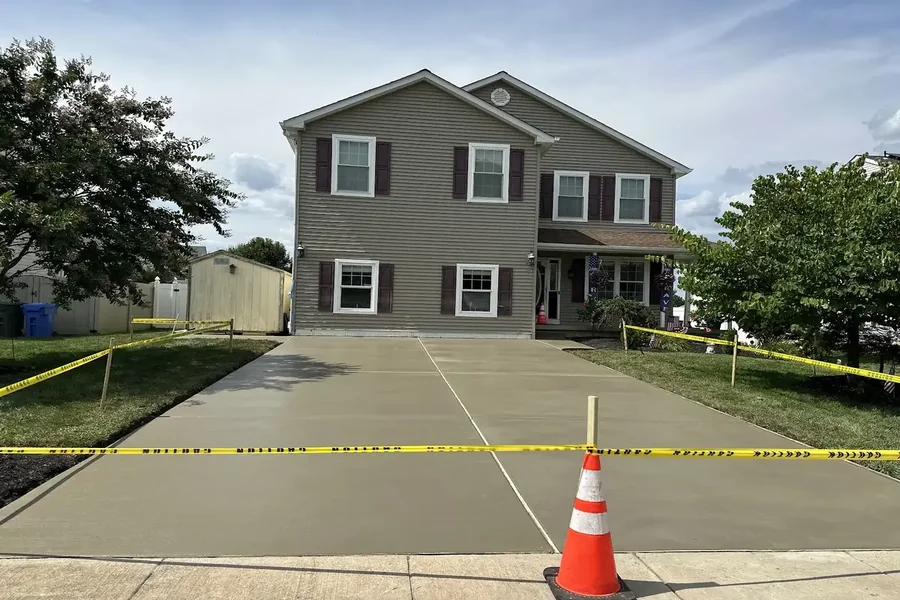
- The protected week. No cars, no ladders, no basketball hoop. This is the phase that ruins the work if you ignore it.
Build the protected week into your life before you book the job. Park on the street, move the trash bins to the side yard, tell the kids the driveway is lava. It’s a small inconvenience against a 30-year surface.
One more piece of practical advice: plan for stormwater. Concrete doesn’t absorb rain the way grass does, and a driveway that pushes water toward your foundation or your neighbor’s yard becomes a problem you’ll be talking about for years. The Environmental Protection Agency publishes plain-language guidance on managing runoff at home, and it’s worth a look before you finalize the slope with your contractor.
What it costs you to skip the boring parts
Every failed driveway I’ve seen traces back to something on that checklist being skipped. The base got rushed. The joints were spaced for looks instead of for movement. Somebody drove on it too soon. None of those failures show up in the first year, which is exactly why they’re easy to sell and expensive to fix.
Concrete done right is the cheapest surface you’ll ever own, spread over its lifespan. Done wrong, it’s a reminder poured into your front yard. The difference isn’t usually the concrete. It’s the crew, the prep, and the patience of whoever owns the driveway.
So before you book the pour, ask the three questions, drive by the old jobs, and block off the protected week. Then take a walk around your neighborhood and look at driveways that have been there a while. You’ll start noticing which ones were done right. What’s your current driveway telling you?