Linear alkylbenzene sulfonic acid (LABSA) is an anionic surfactant widely used in laundry detergents, dishwashing liquids, household cleaners, and industrial cleaning formulations. Its cleansing and foaming properties make it an important raw material for manufacturers. LABSA 90 and LABSA 96 are selected according to formulation needs, product specifications, and production conditions.
Choosing a LABSA 90/96 distributor involves more than comparing quotations. Buyers need to assess active matter, other quality parameters, batch consistency, packaging, delivery arrangements, and order support. Reviewing these factors together helps manufacturers select a suitable grade and understand the total cost of procurement.
Understanding LABSA 90 and LABSA 96
The numbers 90 and 96 generally refer to the active matter percentage of each grade. LABSA 90 contains approximately 90% active matter, while LABSA 96 contains approximately 96%, subject to the agreed specification and test method.
A higher active matter level may mean that a smaller quantity is needed to provide a particular surfactant contribution. However, LABSA 96 is not automatically the right choice for every application. Buyers should consider formulation performance, neutralization requirements, processing conditions, and total cost.
Product Quality Factors Buyers Should Compare
Quality assessment should cover several measurable parameters rather than active matter alone. A technical data sheet and batch-specific Certificate of Analysis help verify whether the material meets the agreed requirements.
-
Active Matter and Batch Consistency
Active matter indicates the proportion of material contributing to surfactant performance. Buyers should check the stated minimum, permitted tolerance, and test method for each grade. Consistent results help production teams calculate dosage and maintain repeatable formulations. Elchemy supplies LABSA 96 for detergent and cleaning applications, making grade-specific information relevant when assessing product suitability.
-
Free Sulphuric Acid and Unsulfonated Matter
Free sulphuric acid and unsulfonated matter are important indicators of product composition. Higher free acid content can affect neutralization requirements, while unsulfonated matter changes the composition of the supplied material. Buyers should compare these values with their formulation limits instead of assuming that all LABSA 90 or LABSA 96 products are identical.
-
Color, Appearance and Physical Condition
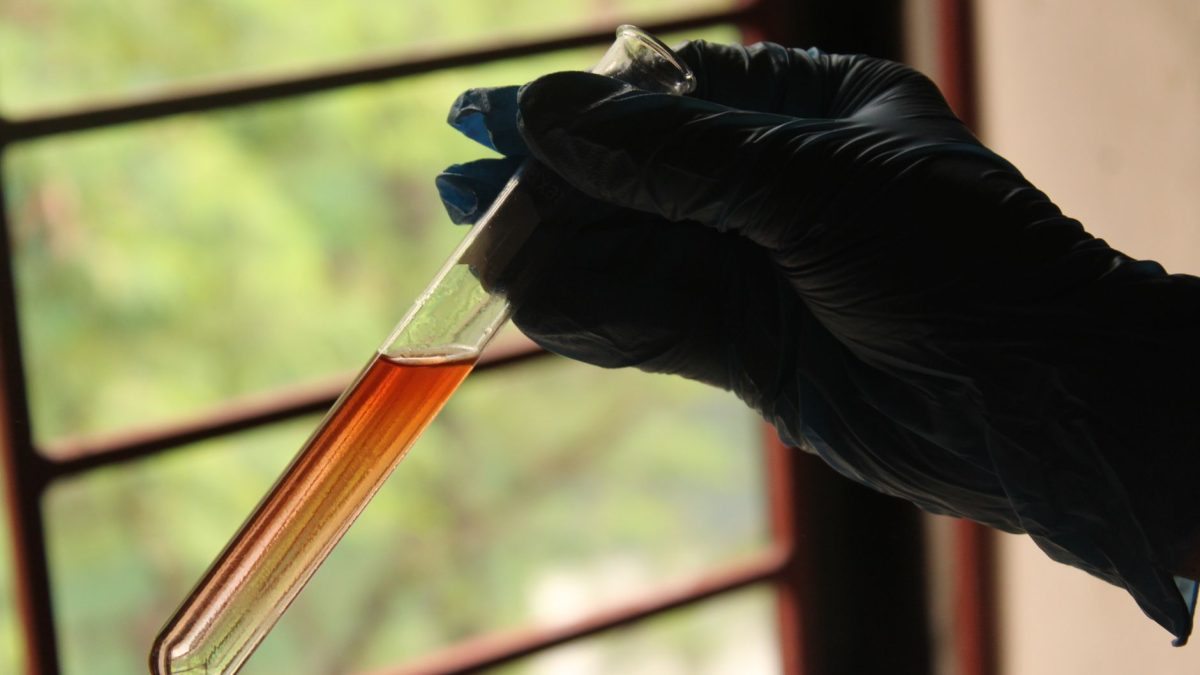
LABSA is commonly supplied as a brown, viscous liquid, although its shade and measured color can vary by specification. Color may matter to manufacturers producing detergents where the finished product’s appearance is important. Reviewing a sample can also help determine whether the material suits existing storage, transfer, and mixing arrangements.
-
Documentation and Batch Verification
A technical data sheet outlines general product specifications, while a Certificate of Analysis records test results for a particular batch. Buyers should also review the Safety Data Sheet for handling, storage, and emergency information.
-
Application Fit and Neutralization Requirements
LABSA is acidic and is commonly neutralized during detergent production to form its active salt. The neutralizing agent, addition sequence, mixing conditions, and target pH should follow a validated formulation and safe operating procedures. Manufacturers should assess these requirements before choosing a grade.
Comparing LABSA Prices Beyond the Quotation
Price comparisons should reflect the complete cost of purchasing and receiving the material. Grade, active matter, specification limits, order volume, packaging, origin, freight, insurance, duties, and delivery terms can affect landed cost. A lower price per tonne may not provide better value if the product requires a higher dosage or additional process adjustments.
Procurement across the US, India, and Southeast Asia, depending on chemical and market requirements, can provide different sourcing options. Elchemy manages procurement as part of its global distribution operations, helping buyers assess sourcing and pricing alongside product requirements and delivery considerations. When comparing a LABSA 90/96 distributor, buyers should also check whether quoted specifications, delivery terms, and documentation remain consistent across repeat orders and shipments.
Distribution Capabilities That Support Reliable Supply
A suitable grade must reach the manufacturing facility in the required quantity, condition, and timeframe. Buyers should assess packaging, shipment planning, documentation, delivery schedules, and communication if delays occur. Drums, intermediate bulk containers, or bulk transport may be considered according to order size, site infrastructure, and handling arrangements.
For recurring requirements, continuity of supply is especially important. Buyers should discuss lead times, fulfillment arrangements, and shipment coordination with the distributor. Elchemy provides order visibility through its customer platform, where customers can access order records, shipment tracking, relevant documents, and stuffing photos.
Checks Before Confirming a LABSA Order
Before placing an order, buyers should evaluate the product specifications, pricing, documentation, and distribution arrangements. These checks help manufacturers compare suppliers more effectively and select a product that meets their production requirements.
- Confirm whether the requirement is LABSA 90 or LABSA 96.
- Compare active matter, free acid, unsulfonated matter, and color limits.
- Request the technical data sheet, Safety Data Sheet, and batch Certificate of Analysis.
- Calculate landed cost using comparable quantities, packaging, freight, and delivery terms.
- Review shipment visibility, order records, lead times, and customer support.
Considering these factors before purchasing can help reduce avoidable procurement issues. It also allows buyers to assess product quality and distribution capabilities together rather than making decisions based on price alone.
Assessing Long-Term Distribution Value
A distributor’s value depends on how effectively procurement, quality requirements, logistics, and customer communication work together. Buyers should look for clear specifications, transparent quotations, practical shipment coordination, and accessible order records.
Elchemy operates as a global specialty chemical distributor, managing procurement, compliance, logistics, and distribution as connected parts of its operations. Its procurement relies on verified suppliers that meet its quality standards. Each order is assigned points of contact from relevant departments, allowing customers to reach the appropriate team members with order-related questions. Its customer platform also supports internal fulfillment, helping the team manage processes smoothly and reduce reliance on manual checklists.
Conclusion
Comparing LABSA 90/96 suppliers requires manufacturers to look beyond the quoted price. Active matter, free acid, unsulfonated matter, color, batch documentation, packaging, and delivery arrangements all influence purchasing decisions. Selecting a suitable grade and evaluating distribution support together can help businesses maintain formulation consistency and manage procurement costs.
For businesses seeking a global specialty chemical distribution partner, Elchemy brings procurement, compliance, logistics, and distribution together within its operations. Its sourcing across the US, India, and Southeast Asia depends on chemical and market requirements. Its customer platform provides access to order records, shipment tracking, documents, and stuffing photos, while designated points of contact support communication throughout the order process.