Picture this. You wake up at 8,000 feet, and the air already feels thin. Your head aches, your sleep is restless, and your energy fades by noon. In the meantime, a snowstorm has shut the road, and everything about your mountain routine is not easy. Life in the mountains not only promises to give you breathtaking scenery and deep silence, but it also challenges your body more each day.
That is why many homeowners are looking for a more reliable alternative to portable devices. A whole-home oxygen system, also called a whole-room oxygenation system, raises the oxygen level in the rooms where you live and sleep, so the indoor air feels closer to a lower elevation. Not every system is, however, effective in mountain conditions.
This article covers six features that make a system suitable for a mountain home.
1. Consistent Oxygen Output at High Altitude
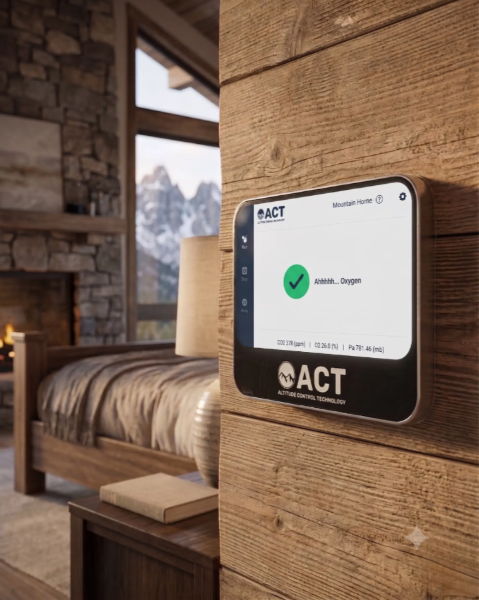
First, consider the air itself. Breathing 8000 feet above sea level means that every breath inhaled has an average of 25 percent less oxygen. That gap is felt in your body, and it is felt in the equipment.
Some standard concentrators lose output as air pressure drops, which means the oxygen level they deliver can drift.
A suitable whole house oxygenation system is built to avoid this. They are tested and rated for high altitudes, and their sensors constantly check the room oxygen level and increase or decrease output to maintain a constant oxygen level. Practically, such consistency helps to have better sleep, more stable energy, and peace of mind.
2. Built-In Fire Safety
Extra oxygen in the air also raises fire risk, and mountain homes often have fireplaces, wood stoves, gas appliances, and backup generators. That is why safety design is as important as performance.
A suitable whole-home oxygen system limits oxygen to safe levels, monitors the room with sensors, and sounds an alarm if conditions change. It is also compliant with known fire-safety standards and local codes.
Nevertheless, at home, you should keep open flames, smoking, and heat sources away from oxygenated rooms, and place equipment according to the manufacturer’s instructions. Also ask any provider exactly how their system handles these risks before you buy.
3. Cold-Weather and Extreme-Climate Durability
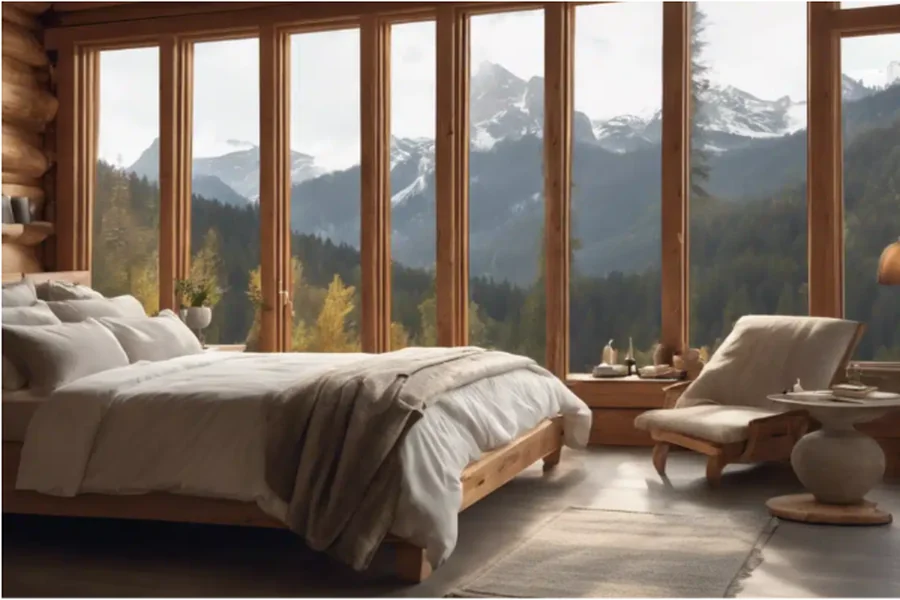
Once safety is covered, weather is the next factor. Winters in the mountains are harsh, and it may drop to below zero degrees Fahrenheit. Heavy snow can also bury outdoor equipment.
Cold affects machines in several ways. Compressors are overworking, moisture freezes, and sensors are misinterpreting the conditions. A system built for a moderate climate can fail in January.
An appropriate oxygen system carries low temperature ratings and is located in a ventilated, insulated room that protects it from wind, ice, and dust. Insulated enclosures or heated housing ensure that condensation does not occur in sensitive parts. Tubing and fittings must also be able to support cold crawl spaces without cracking. Such tiny specifics determine the smooth passage of oxygen throughout the season.
4. Dependable Backup Power for Remote Locations
Even a good electrical system requires electricity. Storms frequently knock out power lines in the mountains, and repairs can take days. Without backup power, oxygen stops flowing when the power does.
For that reason, a suitable system has built-in redundancy. Depending on the equipment, that can mean battery backup for short outages, an automatic generator for longer ones, and backup cylinders as a last resort. Battery life is a widespread issue; therefore, inquire about a particular system, what it can maintain and for how long. It is also important that it switches automatically. Switching to backup power should be fast, but not necessarily instant.
Collectively, these layers deal with various risks and sustain oxygen supply during storms, road closures and lengthy repair times.
5. Distribution That Fits Multi-Level and Sloped Layouts
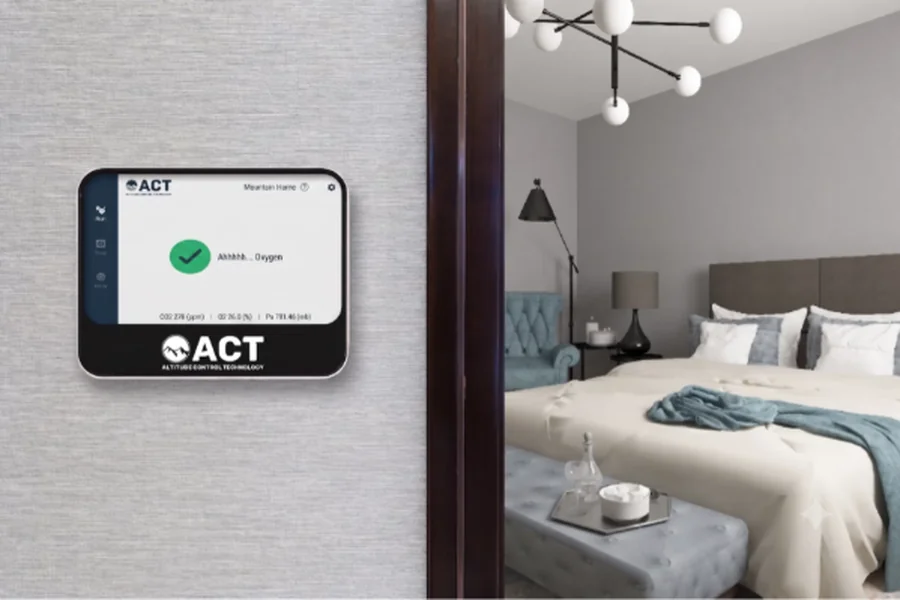
Power keeps the system going, but layout will determine how well it works to your advantage. Mountain houses seldom adhere to easy, uncomplicated floor plans. They are often split-level designs, lofts, walkout basements, or guest cabins.
The oxygen system adapts to that design. The direct supply lines are short and do not waste pressure; therefore, the rooms that are the most distant from the equipment are also provided with the supply. Controls and outlets should be where you are spending your actual time, beginning with the bedroom. Zone controls and pressure regulation assist in maintaining even distribution of delivery by floor.
6. Remote Monitoring and Service Access for Hard-to-Reach Homes
Finally, think about what happens when something goes wrong. Remote homes are not near service centers, and it therefore takes days before a small fix can be made.
Remote monitoring helps. Sensors monitor oxygen levels and run time and deliver the notification to your phone; therefore, minor problems can be detected before turning into an emergency.
Remember, monitoring is based on internet or cellular coverage, which is not always reliable in remote places and during storms. Inquire with the providers what occurs when the connection goes dead.
Service access matters just as much. A good provider offers support that reaches mountain homes even when roads are snowed in, including phone troubleshooting and access to spare parts. This is supported through regular maintenance. Filters, sieve beds, and alarms should be checked on the schedule the manufacturer recommends, ideally before snow season arrives.
A Note on Health
A whole-home oxygen system is designed to improve comfort at altitude. It is not a substitute for medical care. If you have a heart or lung condition, take medication that affects breathing, or have severe or worsening altitude symptoms, talk with your doctor before using supplemental oxygen.
Bringing it Together
Choosing the right whole home oxygen system takes planning, but the payoff is real.
It’s altitude performance that maintains the oxygen levels, fire safety that secures your home, and cold weather performance that secures the equipment. Furthermore, backup power prevents loss of power, intelligent distribution extends to all the rooms, and remote monitoring with excellent service support ensures that everything is going well when you are miles away.
With these six features in place, your mountain home can be as comfortable as it is beautiful.