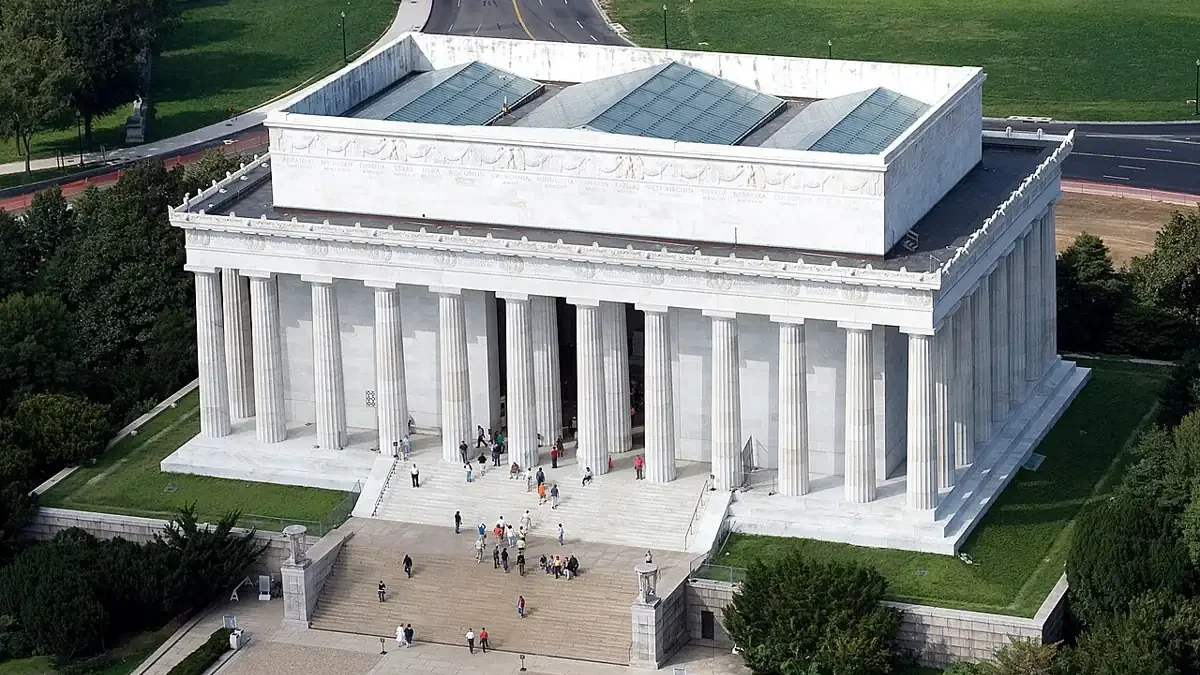
On August 28, 1963, more than 200,000 people gathered near the Lincoln Memorial, and one speaker spent the early part of his speech talking about banking. Not exactly where you’d expect a famous speech to begin. But the metaphors in the “I Have a Dream” speech start there, with a check, and they are chosen with great care. I checked every phrase below against the text on American Rhetoric, so everything quoted here is really in it.
Martin Luther King Jr. was a trained preacher, and it shows. He builds the speech out of pictures his listeners already knew: money, weather, mountains, music. That was a smart way to explain a hard idea to a huge, mixed crowd.
The Bank Metaphor That Opens the Speech
Start with the structure. This is an extended metaphor, which means one comparison carried through several sentences. Here the nation is a bank, the founding documents are a note, and equal rights are the money owed.
King says the writers of the Constitution and the Declaration of Independence were “signing a promissory note” that every American was to inherit. A promissory note is a written promise to pay. His point is that the nation promised its citizens life, liberty and the pursuit of happiness.
Then he turns the screws. America, he says, has “defaulted on this promissory note” as far as citizens of color are concerned. Instead of paying, it gave them “a bad check”, one that came back marked “insufficient funds”.
Next comes the refusal to give up: “We refuse to believe that the bank of justice is bankrupt.” And the plan: “we’ve come to cash this check.”
Look at what this does. Civil rights could sound like a request for a favor. A debt is different. If you are owed money, you are not begging. You are collecting. That one shift changes how the audience hears every demand that follows. For more images in this area, see our metaphors for equality.
Valleys, Islands and Deserts
After the bank, King moves to geography. Four pairs of images take the audience from a bad place to a better one.
- Valley and path. “Rise from the dark and desolate valley of segregation to the sunlit path of racial justice.” A valley is low and shadowed, a sunlit path is open. Movement is built into the picture.
- Quicksand and rock. “Lift our nation from the quicksands of racial injustice to the solid rock of brotherhood.” Quicksand pulls you under. Rock holds your weight.
- Island and ocean. The Negro “lives on a lonely island of poverty in the midst of a vast ocean of material prosperity.” Isolation and unfairness in one picture: prosperity is all around, yet out of reach. Our post on metaphors for poverty uses some of the same thinking.
- Oasis. Mississippi, a state “sweltering with the heat of injustice”, will be “transformed into an oasis of freedom and justice.” The oasis is a surprise. In the desert picture, it is the last place you’d expect to find water.
Each pair has the same rhythm: here is where we are, here is where we could be. That is what makes the speech feel like it is going somewhere.
Seasons, Drugs and Music
Other metaphors work like short, sharp jabs.
The “sweltering summer of the Negro’s legitimate discontent” will not pass “until there is an invigorating autumn of freedom and equality.” Anger is summer heat. Change is cool air.
He warns against “the tranquilizing drug of gradualism”. It is a harsh phrase. Gradualism is not just slow, he says. It puts you to sleep. And he cautions protesters not to satisfy their thirst “by drinking from the cup of bitterness and hatred”, a thirst image turned into a warning about their own side.
Near the end, the tone changes. With faith, he says, “we will be able to hew out of the mountain of despair a stone of hope,” and to turn “the jangling discords of our nation into a beautiful symphony of brotherhood.” Noise becomes music. It is hard to imagine a hopeful ending that is easier to picture.
What the Metaphors in I Have a Dream Speech Actually Do
It is tempting to say they just make the speech pretty. I don’t think that is right. They do at least three jobs, and each is practical.
They turn abstract ideas into things a person can feel. “Injustice” is a word. Quicksand is a fear you can picture.
They make the argument look fair. A debt, a path and a rock are common-sense images, not slogans.
And they give listeners a direction, from bad to good, valley to path, quicksand to rock. A crowd can follow that.
Also notice that the central word, “dream”, is the opposite of the rest. The dream sequence is less about comparison and more about a repeated picture of the future. The repeated phrase carries the second half of the speech, and the images above carry the first.
Read or Listen for Yourself
The full text is easy to find. NPR’s transcript is one place to read it, and recordings are widely available. Try reading with a pencil and underline every place where one thing “is” another. You will find more than you expect. For related reading on how language shapes ideas of fairness, see our pieces on metaphors for injustice and metaphors for racism.
Frequently Asked Questions
What is the main metaphor in the “I Have a Dream” speech?
The opening extended metaphor is the bank check: a promissory note, a bad check marked “insufficient funds,” and a demand to cash it. Many readers treat it as the central image of the first half.
Is “I have a dream” itself a metaphor?
The word “dream” is used for a hope about the future, so it works figuratively. It is less a comparison than a repeated vision that ties the second half together.
What does “oasis of freedom and justice” mean?
It describes Mississippi, then known for harsh injustice, changing into a place of relief and fairness, like water in a desert.
Where was the speech given?
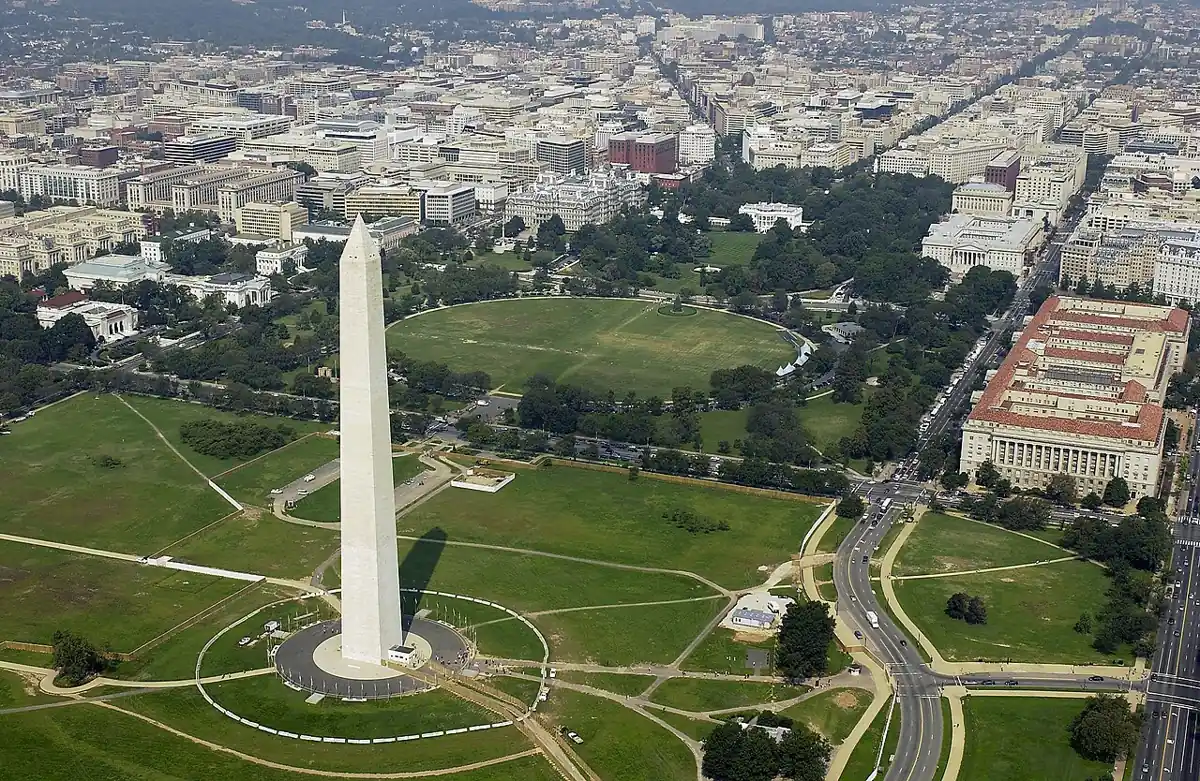
King delivered it on August 28, 1963, at the March on Washington, in front of the Lincoln Memorial in Washington, D.C.