
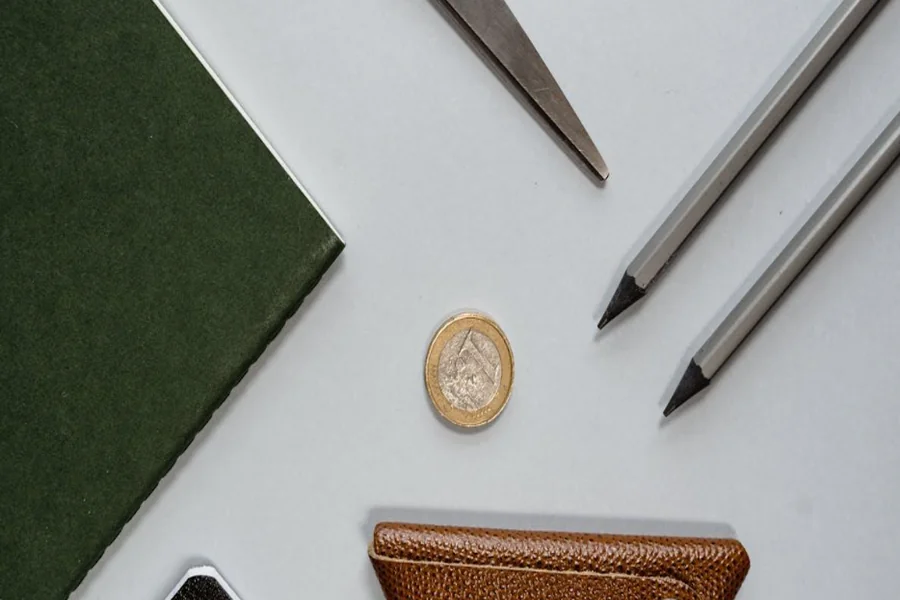

Modern minimalism has shifted. It’s no longer about empty rooms and strict color rules, it’s about ease. Ease of choosing, maintaining, and actually enjoying the things we live with every day. People aren’t chasing bare spaces; they’re chasing fewer, better pieces that hold up and simplify life. That mindset shows up everywhere, from the durable accessories we rely on, like a well-built Diesel Watch that doesn’t age out in a season, to the tech we protect and use nonstop.
And as “own less, use more” becomes the norm, even everyday essentials follow the philosophy. Choosing gear that lasts, fits seamlessly into routines, and avoids constant replacing matters more than ever. It’s the same thinking that guides small upgrades, like choosing pixel 9a cases designed to withstand real-life wear instead of ending up in a drawer after a month.
If you’d like it even shorter or slightly more editorial, I can refine again.
Why People Are Tired of Short-Lived Purchases
There’s a type of frustration that occurs after the third or fourth replacement of the same item. Sometimes it’s the small things that get under someone’s skin, the kitchen gadget that cracks at the point of the handle or the lamp that just gives up the ghost well before its time. And with that frustration comes a sort of clarity that the bargain may not have been so great after all.
People just began gravitating toward better-made products because of the frustration with wasted resources, wasted time, and wasted resources just being wasted. Cheaply made products do not typically have a very lengthy lifespan nor do they tend to have significance. They just sort of linger until they can be considered clutter, then they will break, and this just keeps repeating. Eventually, patterns emerge.
This isn’t the simplification that minimalism promotes today; it’s more about ending the cycle. If an item is going to consume space not just physical space but mental space too it’s got to prove its worth.
The Mental Ease of Having Less but Better Things
There’s a noticeable calm that comes with having fewer things vying for attention. This doesn’t happen overnight. This begins at the drawer level with a drawer that suddenly seems doable; then there’s the closet that’s not overflowing with stuff; then the cabinet that’s well-stocked but with a specific place for every item. This brings on a feeling of calm that’s hard to explain.
A lot of this peace of mind comes from decision-making. If your possessions are well considered and reliable, there’s just less decision-making required. Decisions during the morning routine will go more smoothly because the choices that are arrayed before you are all sound ones. You won’t sort through bad shirts or poor tools. You’ll just choose and go on with your day.
Minimalism isn’t about being perfect; it’s definitely not about living like you’re on the pages of a magazine. Minimalism is the reduction of friction. And the friction adds up. Little things that you don’t even realize until the point that you stop dealing with them.
Slowing Down Before Buying Becomes a Habit

As soon as folks begin the movement towards the durable life, the way that they consume shifts. Buying isn’t an immediate action anymore. Things are considered. You begin caring about how it’s made, what’s used, how it might be fixed, and if it’s even something that you want to see in your home.
This behavior sticks because it feels better emotionally. The rush of an impulse buy may give a quick thrill, but this quickly diminishes, especially if the object purchased fails. More considerate purchases give a different type of satisfaction. This type of purchase finds its lasting reward because the object continues to prove its usefulness over time.
What’s even more interesting is how the process of selecting better things promotes a form of honesty with oneself too. You start thinking about comfort, usability, and durability over trends or the pressure of sales. You wonder if the item fits your life as it is, and not as you’d like it to be. This honesty results in better decisions that result in fewer regrets.
The Connection Between Caregiving and Longevity
A further area that the modern minimalist approach neglects as well is its effects on how one cares for possessions. Having fewer possessions and selecting them carefully makes it more likely that one will take care of them. Fix the loose button on the shirt. Polish the wooden furniture. Clean the shoes thoroughly instead of buying new ones season after season.
This care makes the item more special even if this isn’t what your mind first focuses on. This becomes the norm of holding onto an item for more than a year instead of just a few months. As the item sits with the owner longer, it begins to accumulate narratives. A used jacket, an item used for preparing meals that seasons with time, or used furniture that ages well begins to give an air of familiarity that cannot come with throwaway products.
What’s remarkable is that this relationship with possessions was not only common but the norm. People fixed their possessions instead of replacing them because the alternative wasn’t an option. Now it’s an option again and an informed decision.
A Quieter and More Sustainable Future Approach
What modern minimalism looks like nowadays revolves more around alignment and aligning what we own with the way we live. Stability comes with durable goods. The noise generated by the constant need for replacements diminishes. Things appear uncluttered; so do our minds. By deciding on things that last, these individuals are not abstaining from modern life.
They are simplifying modern life. They prefer fast consumption over slow improvement. They are designing their homes that are more deliberate and better suited to the pace at which they choose to live. Contemporary minimalism is not about having fewer possessions. It’s about having what works. And that movement, when it begins, seems to trickle over into every area of our lives at a pace that’s constant and liberating.