
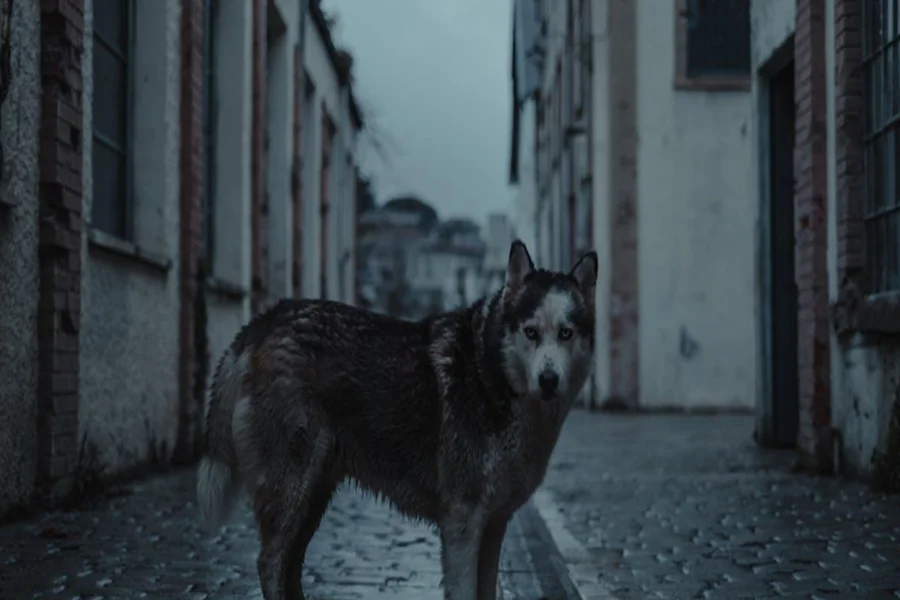

There is just something very comforting about how culture envelops itself around dogs, especially older ones. Humans have been employing dog metaphors for eons now, often loving dog metaphors, occasionally funny dog metaphors, and occasionally rather contradictory dog metaphors but all of them have helped shape a kind of shared language for how we perceive aging. Everyone knows the saying “you can’t teach an old dog new tricks,” but anyone who has ever lived with an older dog knows this is simply not true.
Idioms stick because they carry stories inside them. They reflect our own relationship with change, growth, and the passage of time. And when we talk about older dogs thriving, we’re also talking about what it means for any of us to age well. It’s why so many pet owners today lean into evidence-based care and nutrition, exploring thoughtful additions such as omega 3 supplements for dogs to support joint health, cognition, and overall vitality.
At the same time, the stories we tell those familiar sayings and inherited bits of wisdom reveal how deeply we’re connected to these animals. They’ve grown old beside us, often teaching us that comfort, resilience, and companionship don’t fade with age. Those small rituals, the slower walks or the gentler play, are reminders that aging isn’t just decline; it’s a shift into a different kind of presence.
When the Idioms Reveal Something Beyond Their Words
“Old dog, new tricks” is a phrase that appears all too often in conversation, especially whenever one of us is surprising another. It is one of those expressions that is offered with a chuckle of admittance and approval as if to say any kind of experience necessarily precludes any kind of adjustment or improvement. But puppies just don’t work that way. Older dogs learn new habits all the time and adjust to new families while occasionally learning new habits for no apparent reason at all.
And then comes “Every dog has its day,” which really is irrelevant to age but becomes instead all about endurance itself. It’s as if it’s declaring that life provides every person their own time to shine no matter how long it takes to come to fruition. This is especially apt for older dogs because they do have lots and lots of “days” behind their name, each one punctuated by just a slight lag in pace, or just a little slower stroll, but still shining just as they do every time food or pets come into play.
The Quiet Dignity We Build Into Dog-Related Language
“People use canine expressions as a softer way of speaking of aging,” Marcia Blizzard explains. A dog “that’s got plenty of life in him” may limp or move slowly, but this phrase is meant to evoke a sense of energy independent of speed. It’s a soft way of telling oneself and others that aging hasn’t cost one anything vital.
Idioms even less kind than “grey muzzle,” such as “grey muzzle” itself when meant as a joke, have this kind of tenderness to them. Dogs show their aging in such a visibly obvious way their aging is certainly no less apparent than humans’ at any point in their lives, but at some points significantly so which is why the connotations of our canine vocabulary have this kind of tenderness to them.
How These Traditional Expressions Change Based on Dogs’ Longer Lifespan
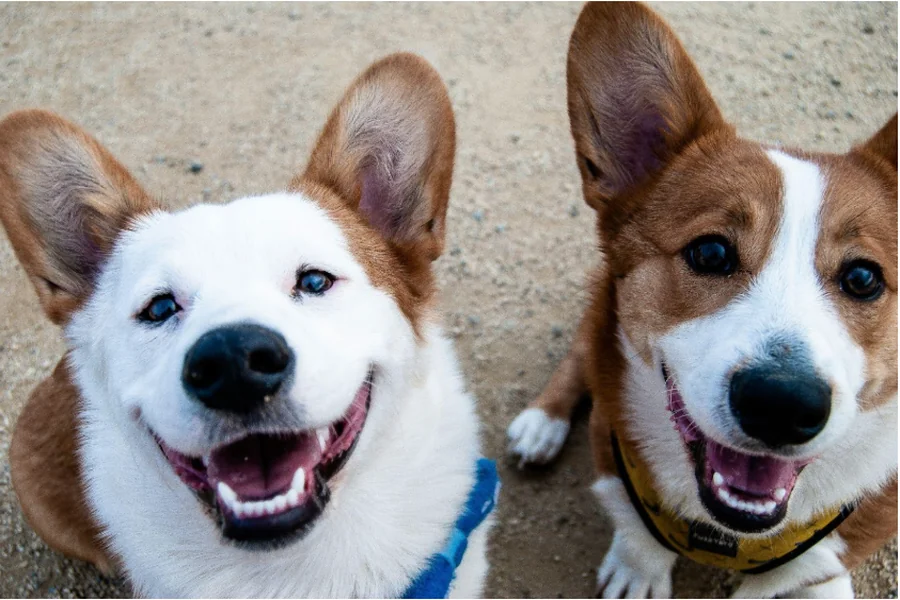
While veterinary care, diet, and training have come to advanced levels, some of these expressions seem to have fallen out of place because of the healthier lifestyle being experienced by dogs. Because they live longer and healthier lives, “old” dogs at seven or eight decades ago may now actively move around for many years past the teenage range.
“He’s getting on,” people begin to remark, “but he still thinks he’s a pup,” or “She’s got a youthful spirit,” or “He’s aging like a good joke.” These are informal expressions rather than idioms but do the same thing as metaphors, complementing praise with incredulity. Longevity isn’t viewed for its limitations but for its own character-rich period.
Based on historical information provided by the American Kennel Club, many dog breeds’ average life spans have risen steadily during the last several decades for small to medium-sized canine friends. Longer life spans mean those expressions associated with aging companion animals become softer, more dynamic, and occasionally playful terms.
The Heart Behind the Words We Choose
When you listen to what people are saying about aging dogs, you begin to pick up on sentiment rather than negativity. A person may speak of their aging dog as “being set in his ways,” but this is meant to convey affection rather than malice. A person may also refer to their dog as “being an old soul” because they ate drywall or “chased squirrels like a tornado” at one point.
These idioms give people something to celebrate instead of something to fear for each of their own years. Dogs do not fight aging but just go through it as sincerely as they go through everything else because this is just what they do. And perhaps because of this simple attitude toward aging, our vocabulary for talking about their elderly years is so warm.
In conclusion, idioms relating to dog longevity have nothing to do with limitations but rather have to do with “endurance, temperament and surprises involved within this experience” because even “an old dog” may surprise you, teach you something new or discover new ways to “fit” into your life after all is said and done: “You have not enough Humanizer words left. Upgrade your Surfer plan.”