
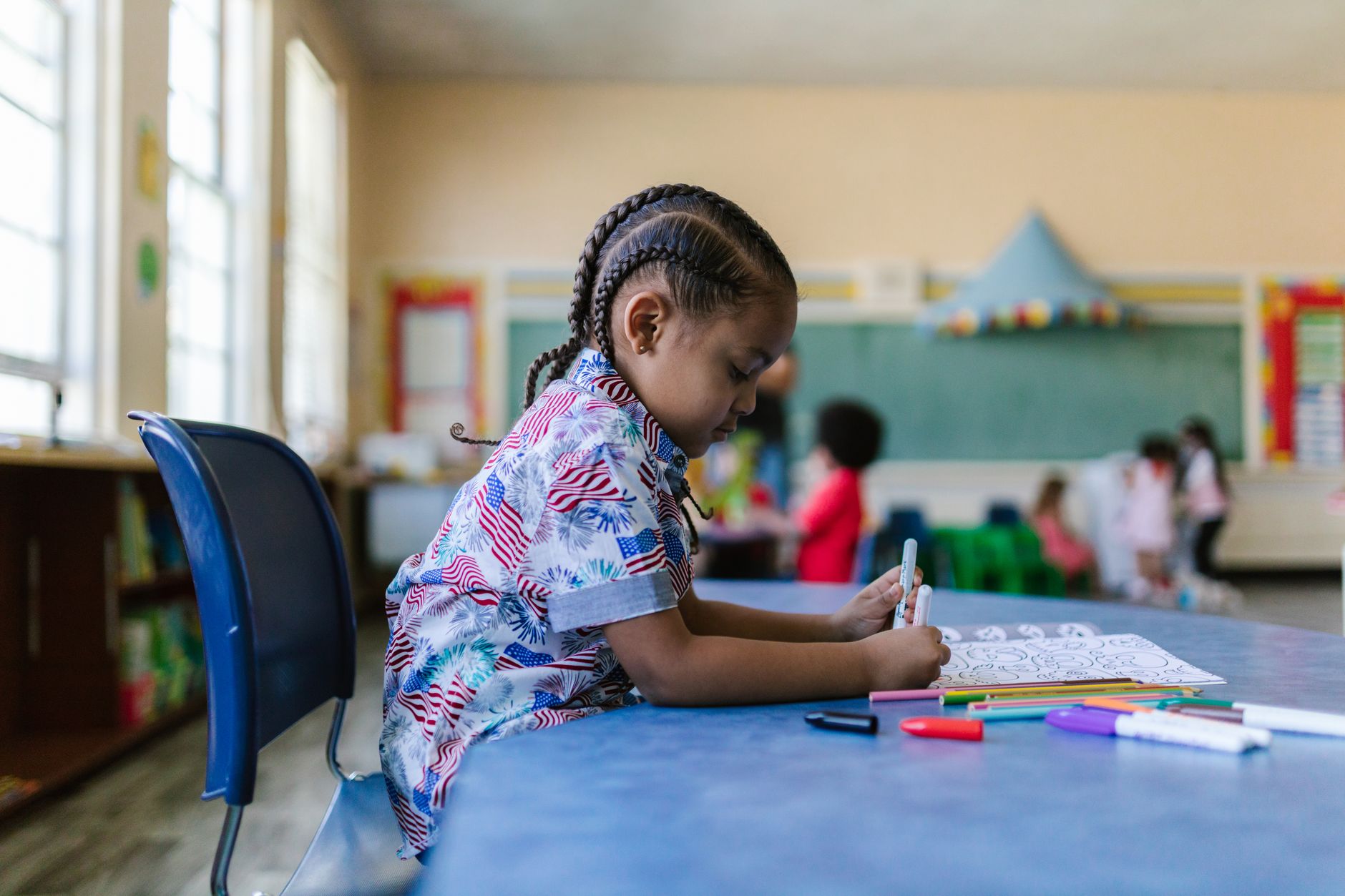

Starting nursery school is a significant milestone. Parents often wonder whether their child should already know letters, numbers, shapes, colours, or basic writing skills.
While early knowledge can be helpful, true readiness involves much more.
Children also benefit from communication skills, independence, emotional security, predictable routines, and confidence around other people.
Readiness Is Different for Every Child
Children develop at different speeds.
One child may speak confidently but feel hesitant in groups. Another may be highly social while still developing language.
A nursery school should support these differences rather than expect identical abilities from every child.
Avoid Comparing Milestones
Comparing children can create unnecessary worry.
Instead, focus on helping your child become comfortable with the kinds of routines they may experience in nursery school.
Practice Simple Independence
Children gain confidence when they can manage small tasks themselves.
Encourage your child to put toys away, carry a small bag, wash hands with supervision, or help organize belongings.
These tasks can make nursery school routines feel less unfamiliar.
Give Them Time to Try
Adults often step in quickly because it is faster.
However, allowing children time to attempt manageable tasks helps them build persistence.
The goal is not complete independence. It is growing confidence.
Encourage Communication
Children benefit from being able to express basic needs.
Help them practice asking for water, assistance, rest, or help with a task.
Perfect speech is not required for nursery school.
What matters is helping children understand that they can communicate with trusted adults.
Families considering early years learning in Whitefield can also ask how teachers support children with different communication abilities.
Build a Predictable Routine
Sudden changes to sleeping and waking times can make the first weeks more tiring.
If nursery school starts early, gradually adjust bedtime and morning routines in advance.
Predictability can make mornings calmer.
Practice the Morning Sequence
Parents can occasionally rehearse getting dressed, eating breakfast, organizing belongings, and leaving home.
This turns an unfamiliar process into a recognizable routine.
Read Together Regularly
Shared reading supports listening, language, imagination, and attention.
Children who are familiar with books may feel more comfortable during story sessions at nursery school.
Ask open-ended questions about pictures or characters instead of testing children on every detail.
Create Social Opportunities
Children learn social skills by interacting with other children.
Playdates, family gatherings, parks, or group activities can introduce turn-taking, sharing, and communication.
They do not need to master these skills before nursery school. They simply need opportunities to practice.
Talk About Feelings
Children often behave strongly when they cannot describe emotions.
Use everyday words such as excited, worried, frustrated, tired, proud, or disappointed.
Emotional vocabulary can help children communicate during nursery school.
Talk About School Honestly
Describe nursery school in positive but realistic terms.
Explain that there will be teachers, other children, stories, games, activities, and a time when you return.
Avoid promising that every moment will be fun.
Children may also feel nervous, tired, or frustrated as they adjust.
Avoid Academic Pressure
Preparation does not need to look like formal tutoring.
Count objects during play. Notice signs and letters while walking. Sing rhymes. Talk about shapes and colours naturally.
These activities can introduce early academic ideas while keeping nursery school preparation enjoyable.
Expect an Adjustment Period
Some children settle quickly. Others need days or weeks.
A difficult first morning does not automatically indicate a problem.
Consistent goodbye routines and calm communication can help children understand what to expect.
Conclusion
Preparing for nursery school is not about turning a preschooler into a primary-school student before the first day.
It is about helping a child feel capable, secure, curious, and increasingly independent.
Predictable routines, communication, social experiences, shared reading, emotional vocabulary, and simple responsibilities can all support the transition.
Children will continue learning once they arrive. The goal is simply to give them a confident starting point.