
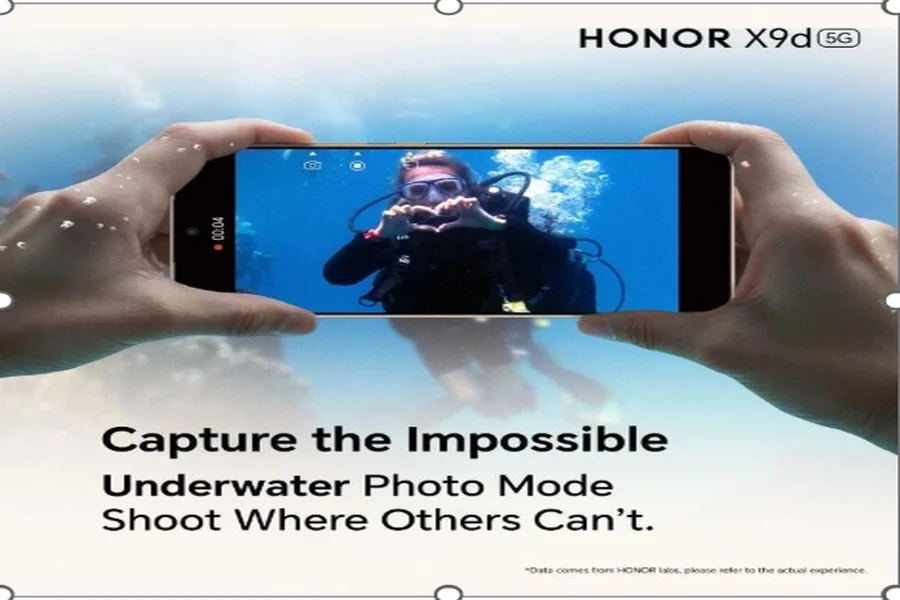

Smartphone cameras have evolved dramatically, rivaling dedicated cameras in convenience and capability for most everyday users. The magic behind stunning images lies in more than just megapixels; it involves a harmonious blend of advanced hardware, intelligent software, and practical user features working together seamlessly. In this guide, we explore the essential components that define a top-tier smartphone camera experience. From sensor size and lens quality to AI enhancements and video stabilization, uncover the secrets to stellar smartphone photography and find out how models like the HONOR X9d excel in daily usage across real-life scenarios, including travel, social media content, and spontaneous moments.
Core Hardware That Defines Camera Quality
Camera Sensor Size and Light Capture
A camera’s sensor size significantly affects photo quality and overall image consistency. Larger sensors capture more light, which is crucial for clarity, texture, and accurate exposure. They minimize noise, especially in low-light conditions, producing clear and vibrant images with better shadow detail. For example, many high-end smartphones feature large sensors that outperform smaller ones by delivering better dynamic range and sharper details. This factor is pivotal when choosing a smartphone, as it directly influences how well the camera performs in a variety of lighting situations and environments, such as night scenes, indoor shots, and complex outdoor contrasts.
Lens Quality, Aperture, and Optical Design
Lens quality is another cornerstone of camera performance that often goes unnoticed. High-quality lenses ensure that the light captured by the sensor is accurately focused, minimizing distortion and edge softness while enhancing overall clarity. The aperture size also plays an essential role; a wider aperture (indicated by a lower f-stop number) allows more light into the sensor, which is ideal for low-light photography and achieving natural background blur in portraits. A well-designed lens system in smartphones can bridge the gap between casual photography and professional-looking results for everyday users, especially when shooting people, landscapes, and close-up details.
Software, AI, and Real-World Performance
Image Processing and Color Accuracy
Once light hits the sensor, image processing determines the final output that users actually see. Smartphones today use powerful processors and advanced algorithms to enhance photos automatically, correcting colors, improving sharpness, and reducing unwanted noise. Accurate color reproduction is critical as it ensures that images look natural and balanced across different scenes. A smartphone with excellent image processing capabilities can consistently produce photos that remain true to life, no matter the shooting conditions or time of day.
AI Photography and Smart Camera Features
Artificial intelligence has revolutionized smartphone cameras in recent years. AI enhances the camera’s ability to identify scenes, adjust settings, and apply real-time improvements before you even press the shutter button. Features like scene recognition, night mode, and portrait enhancements enable users to capture professional-looking photos with ease and confidence. These smart features, powered by AI, make photography accessible to everyone, ensuring high-quality results regardless of the user’s skill level or experience.
Practical Camera Experience for Everyday Users
Video Recording, Stabilization, and Audio Sync
In addition to still photography, video recording capabilities are crucial for many users today. Modern smartphones offer advanced video features such as 4K recording, which ensures sharp, high-definition quality for content creation. Excellent video stabilization, often assisted by optical image stabilization (OIS), reduces motion blur and keeps footage smooth during movement. Additionally, proper audio sync is vital for producing videos with clear sound, significantly enhancing the overall multimedia experience for viewers across social media platforms, vlogs, and personal video archives.
Durability, Camera Protection, and Daily Use
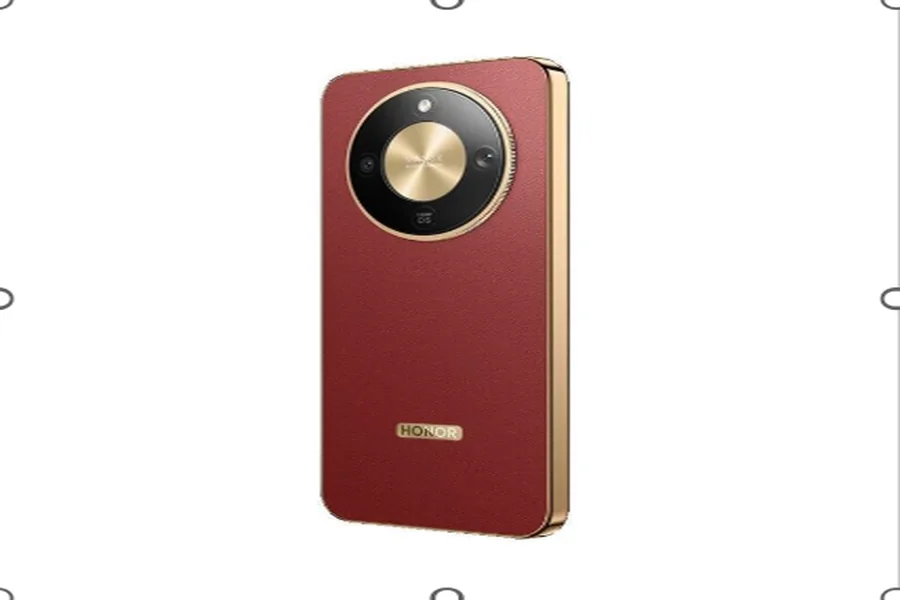
Daily use requires a durable camera design that can handle real-life conditions. The HONOR X9d, for instance, features robust build quality with protective materials that help withstand everyday wear and accidental drops. Its design ensures the camera module and lens remain pristine over time, providing consistent performance and reliability. Available in colors like Reddish Brown and Midnight Black, it combines visual appeal with practical functionality. The HONOR X9d’s physical attributes and protective features make it a dependable companion for capturing life’s moments anywhere, whether commuting, traveling, or exploring outdoor environments.
Conclusion
Choosing a great smartphone camera involves understanding both technical specifications and real-world usability factors. The synergy of hardware—such as sensor size and lens quality—and intelligent software—like AI-driven enhancements—defines a camera’s true performance. For everyday users, practical considerations such as durability, video features, and ease of use are equally important. As you explore your options, consider devices like the HONOR X9d, and compare value by checking the HONOR X9d 5g price in uae, which can help you weigh camera performance against budget. The HONOR X9d balances advanced camera technology with thoughtful design, ensuring every captured moment feels effortless and memorable in daily life, travel experiences, and creative storytelling.