
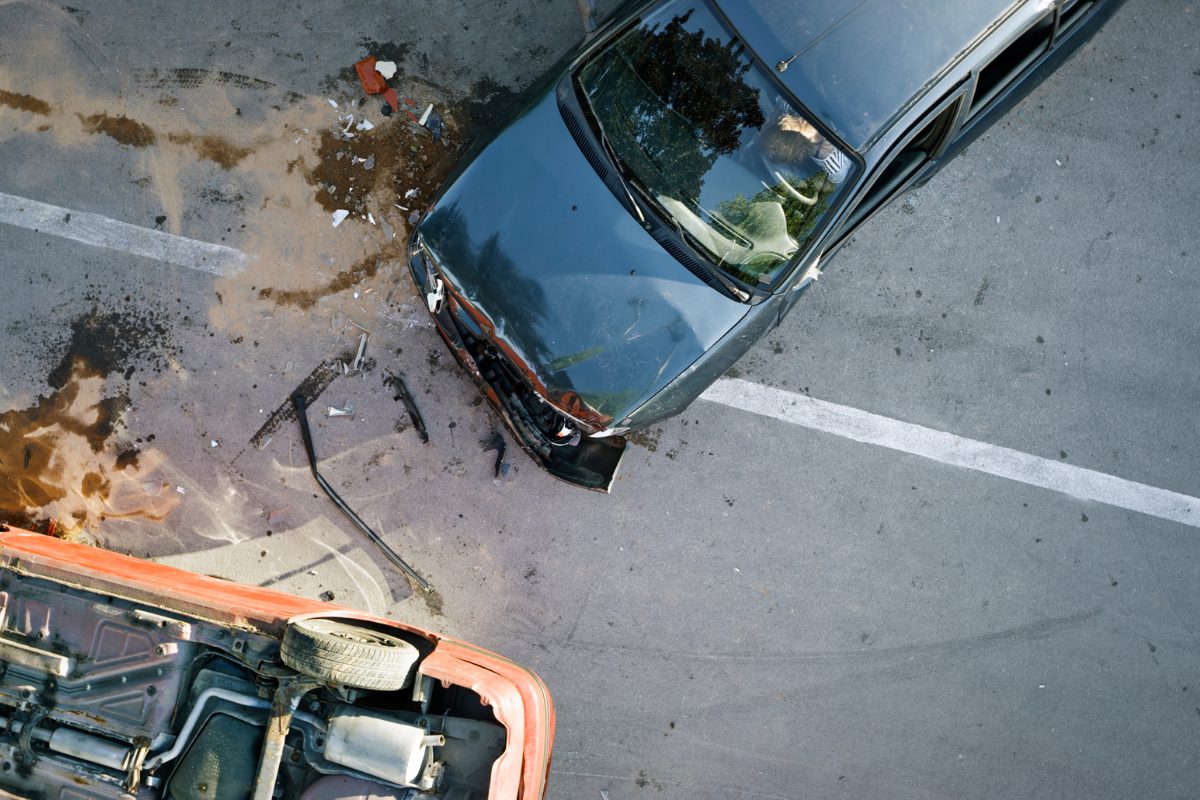

A side-impact collision can be frightening because the point of impact is often close to the driver or passenger. Unlike the front or rear of a vehicle, the side offers less space to absorb force. These crashes, often called T-bone accidents, commonly happen at intersections, parking lot exits, and driveways when one vehicle crosses another’s path.
For drivers in Grand Forks and elsewhere in North Dakota, the actions taken after the crash can protect health, preserve evidence, and make insurance discussions easier to manage.
Check for Injuries Before Moving
Assess yourself and your passengers before leaving the vehicle. Side-impact crashes can cause head, neck, shoulder, chest, hip, and back injuries. Call 911 if anyone is injured or disoriented.
If the vehicle is in a dangerous position and can be moved safely, relocate it out of traffic. Otherwise, turn on the hazard lights and wait for emergency responders. Avoid unnecessary movement if you suspect a serious neck or spinal injury.
Report the Collision
Contact law enforcement when the crash involves injuries, major damage, blocked traffic, or disagreement about what happened. An officer can document the location, vehicle positions, road conditions, witnesses, and statements from those involved.
Give an accurate account, but do not guess about speed, distance, or fault. A side-impact collision may involve traffic signals, right-of-way rules, visibility, or several driver decisions that are not immediately clear.
Collect Driver and Witness Information
Exchange names, phone numbers, driver’s license details, license plate numbers, vehicle information, and insurance details with the other driver. Keep the conversation calm and factual.
Ask witnesses for their contact information. Independent witnesses may be especially helpful when both drivers claim they had the right of way.
Photograph the Full Scene
Photos should capture more than vehicle damage. When it is safe, photograph:
- All sides of the vehicles
- Their positions near the intersection
- Traffic lights, stop signs, and lane markings
- Skid marks, debris, and broken glass
- Nearby businesses or homes with cameras
- Weather, lighting, snow, or ice
- Visible injuries
Grand Forks weather can change quickly, and road conditions may affect visibility and stopping distance. Document those conditions before they change.
Seek Medical Evaluation
Some injuries are obvious, while others appear later. Adrenaline can temporarily mask pain, and headaches, dizziness, numbness, stiffness, or abdominal discomfort may develop over the following hours.
Prompt medical evaluation protects your health and creates a record of your symptoms. Follow treatment recommendations and keep copies of visit summaries, prescriptions, imaging results, and therapy records.
Preserve Time-Sensitive Evidence
Intersection camera, security camera, and dashcam footage may help establish which vehicle entered the intersection and when. Recordings can be overwritten quickly, so note visible cameras and preserve your own footage immediately.
Do not repair or discard the vehicle, damaged child seats, clothing, or personal property before documenting them and allowing the insurer to inspect relevant damage.
Handle Insurance Communications Carefully
Report the collision to your insurer and provide accurate basic information. Avoid speculating about fault or minimizing injuries before you know their full extent.
The other driver’s insurer may request a recorded statement or offer a quick settlement. Before accepting an offer, consider whether treatment is complete and whether it reflects medical costs, lost income, vehicle damage, and possible future care.
Keep a Recovery File
Save medical bills, repair estimates, police report information, insurance correspondence, receipts, wage records, photographs, and notes about pain or daily limitations. Organized records can show how the collision affected your health, work, transportation, and routine.
Know When the Claim Needs Closer Review
Side-impact cases can become complicated when drivers dispute the traffic signal, several vehicles are involved, injuries are serious, or an insurer denies responsibility.
For someone injured in the surrounding North Dakota area, speaking with a Grand Forks t-bone car accident lawyer can help clarify which evidence matters and how the claim may be evaluated.
Lowe Law Group assists people dealing with serious vehicle accidents, medical treatment, and insurance disputes, making the firm a relevant local resource when the process becomes difficult.
Final Thoughts
After a side-impact collision, focus first on safety and medical care. Then report the crash, document the scene, preserve available footage, organize your records, and be cautious with early settlement discussions.
A careful response can help protect your health and provide a clearer record of what happened.