
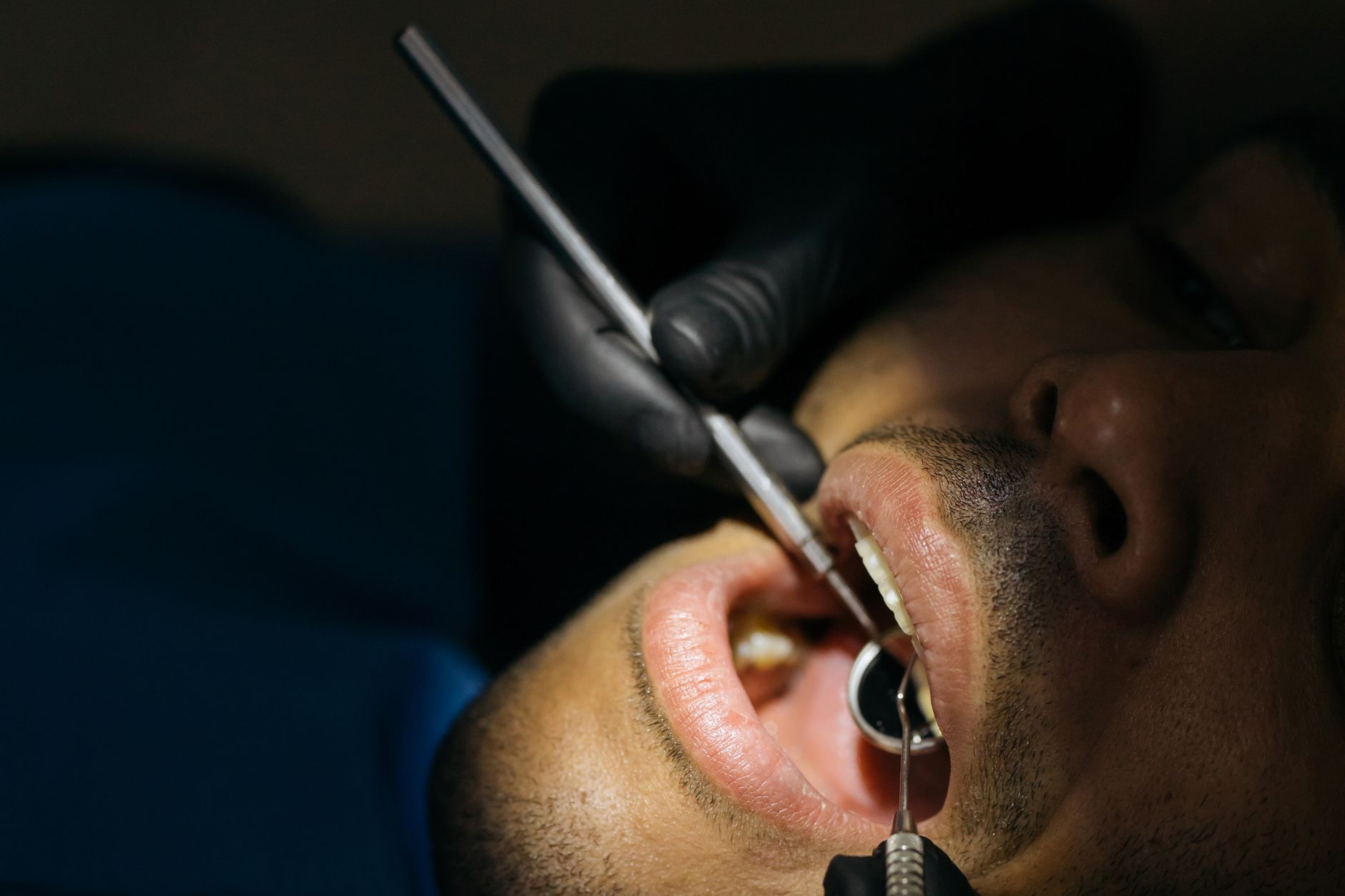

Dry mouth is a common condition that affects many individuals, especially as they age. Understanding dry mouth and oral health is crucial because saliva plays a vital role in protecting your teeth and gums. In this comprehensive guide, we will explore the causes of dry mouth, the associated risks, and effective treatment options to keep your smile healthy and vibrant.
What Dry Mouth Feels Like and Why It Happens
If you constantly feel like you have cotton in your mouth, you might be experiencing dry mouth. It often feels sticky, uncomfortable, and can make swallowing or speaking difficult. Saliva is essential for washing away food particles and neutralizing acids produced by bacteria. When your salivary glands do not produce enough saliva, it leads to this uncomfortable sensation. For more information about comprehensive dental care and managing these symptoms, visit newagedentalpa.com.
Medications and Health Conditions That Can Cause Dry Mouth
There are numerous dry mouth causes that individuals should be aware of. One of the most common culprits is medication. Hundreds of prescription and over-the-counter drugs, including antihistamines, decongestants, painkillers, and blood pressure medications, list dry mouth as a side effect. Additionally, certain health conditions such as diabetes, Sjögren's syndrome, and Parkinson's disease can directly impact salivary gland function. Even treatments like radiation therapy to the head and neck can significantly reduce saliva production.
How Low Saliva Increases Cavity and Gum Disease Risk
The relationship between dry mouth and oral health is significant. Saliva acts as a natural defense mechanism against tooth decay. Without enough saliva to wash away sugars and food particles, plaque builds up more quickly. This lack of protection directly leads to dry mouth cavities, which can develop rapidly and cause extensive damage. Furthermore, a dry environment in the mouth allows harmful bacteria to thrive, increasing the risk of gingivitis and more severe forms of gum disease. Protecting your teeth becomes much harder without adequate saliva flow.
Everyday Steps to Relieve Dry Mouth
If you are wondering how to treat dry mouth at home, there are several practical steps you can take to find relief. First, stay hydrated by sipping water throughout the day. Chewing sugar-free gum or sucking on sugar-free hard candies can help stimulate saliva production. It is also beneficial to avoid caffeine, alcohol, and tobacco, as these can dry out your mouth further. Using a humidifier in your bedroom at night can add moisture to the air and reduce morning dryness. Additionally, over-the-counter saliva substitutes and moisturizing mouthwashes can provide temporary relief.
When to See a Dentist
While home remedies can offer relief, persistent dry mouth requires professional attention. You should see a dentist if you notice frequent bad breath, difficulty chewing or swallowing, or if you experience a burning sensation in your mouth. Regular dental check-ups are especially critical for individuals with dry mouth because they are at a higher risk for rapid tooth decay. Early detection of dry mouth cavities can save your teeth and prevent more complex dental procedures down the line. The team at NewAgeDental is always ready to evaluate your symptoms and provide personalized care.
Treatment Options Your Dental Team May Recommend
Your dental professional can offer specific treatments tailored to your needs. If medications are the root cause, they might suggest consulting your doctor to adjust the dosage or switch prescriptions. To protect your teeth from dry mouth cavities, your dentist may recommend prescription-strength fluoride toothpaste or fluoride varnish applications. They might also prescribe medications that stimulate saliva production, such as pilocarpine or cevimeline. At NewAgeDental, our goal is to help you manage dry mouth effectively and maintain optimal oral health for years to come.