
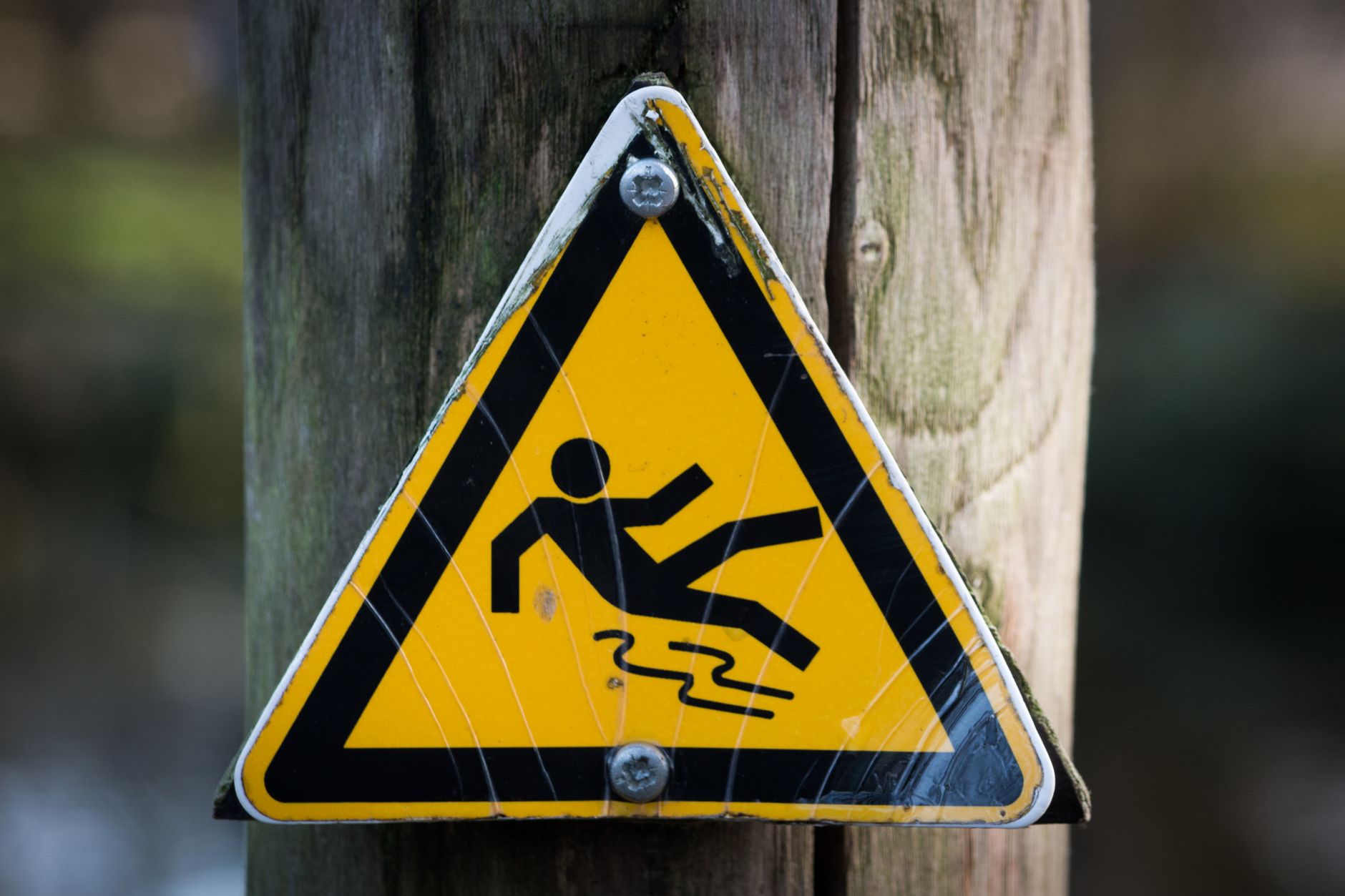

Falls are a leading cause of injury among seniors, but they are not an inevitable part of the aging process. Learning exactly how to prevent falls in older adults is essential for family caregivers who want to keep their loved ones safe and independent for as long as possible. With the right strategies, awareness, and home modifications, you can significantly reduce the risk of accidents and create a secure environment for your aging relatives.
Why Fall Prevention Needs a Daily Approach
Fall prevention is not a one-time task; it requires ongoing attention and a proactive mindset. A consistent daily routine is the true foundation of effective fall prevention for elderly individuals. Caregivers should monitor their loved one's mobility, energy levels, and overall physical condition each day. It is important to stay observant, as even minor changes in balance or strength can indicate a higher risk of falling. At Stay At Home, we understand the critical importance of daily vigilance in maintaining senior safety. Incorporating safety checks into everyday life ensures that potential hazards are identified early.
Common Risk Factors Families Can Address
Several underlying risk factors contribute to falls, many of which can be managed by attentive families. Physical weakness in the lower body and poor balance are primary culprits. Chronic medical conditions such as severe arthritis, diabetes, or neurological disorders can also impair movement. Recognizing these health issues early allows families to implement effective caregiver fall prevention tips and seek appropriate medical guidance. Regular exercise programs tailored for seniors can also help build the strength needed to avoid dangerous stumbles.
Home Changes That Reduce Fall Hazards
Modifying the physical living space is one of the most effective ways to prevent falls at home seniors. Start by clearing clutter, cords, or low furniture from all walkways and securing loose throw rugs with slip-resistant backing. Ensure that all rooms, hallways, and stairwells are well-lit, especially at night. Installing sturdy grab bars in the bathroom near the toilet and inside the shower, as well as ensuring strong handrails are present along all staircases, provides essential support where slips are most likely to occur.
Safe Movement, Footwear, and Mobility Support
Encouraging safe movement habits is a crucial component of fall prevention. Remind your elderly loved one to stand up slowly from a seated position to avoid sudden dizziness. Proper footwear plays a massive role in stability; seniors should always wear well-fitting, non-slip shoes indoors rather than walking in slippery socks. If a healthcare professional recommends a mobility aid like a cane or walker, ensure it is sized correctly and used consistently.
Medication Reviews and Vision Checks
Many common prescription medications can cause side effects like dizziness or drowsiness, which drastically increase the risk of a fall. Regularly review all medications with a qualified healthcare provider or pharmacist to identify risky drug interactions. Additionally, poor vision makes it difficult for seniors to spot tripping hazards. Schedule annual eye exams to ensure prescriptions are up to date and to check for vision-impairing conditions like cataracts or glaucoma.
How In-Home Care Can Support Fall Prevention
Sometimes, family caregivers need extra help to ensure comprehensive safety. Professional in-home care services can provide the dedicated supervision and physical assistance necessary to prevent tragic accidents. Caregivers from StayAtHome can assist with daily activities, offer reliable mobility support, and help maintain a hazard-free environment. This level of professional support gives families profound peace of mind, knowing their loved ones are safe in the comfort of their own home.