


Smartphones make life easier — but they also make risks harder to detect. Cyberbullying happens in private chats. Strangers approach through gaming apps. Sensitive photos can be shared in seconds. Many parents and partners assume everything is fine simply because nothing alarming is visible on the surface. Unfortunately, that assumption is often wrong.
In this article, you will discover practical online safety tips to manage smartphone activity more effectively and understand how tools like SpyBubble can support smarter digital supervision without constant arguments or invasive confrontations.
The Reality of Modern Smartphone Risks
Digital communication has evolved far beyond simple text messaging. Today’s risks are subtle, fast-moving, and often hidden inside private apps. Even responsible users can unintentionally expose themselves to danger.
One of the most common problems is cyberbullying. Hurtful messages and harassment rarely happen in public comment sections anymore. They move to direct messages, private groups, or disappearing chats. Without visibility, these issues can continue for weeks before adults even notice emotional changes.
Another growing concern is contact with strangers. Many social media platforms suggest new connections automatically. Teens may accept requests from people they do not truly know. Over time, casual conversations can become manipulative or inappropriate. Basic parental controls rarely detect these gradual shifts.
There is also the issue of inappropriate content. It doesn’t require intentional searching. One link shared in a group chat can expose a child to adult material or violent media. Once accessed, such content can spread quickly across platforms.
Understanding these realities is the first step toward applying effective online safety tips for kids and adults alike.
Why Basic Parental Controls Fail as Online Safety Tips
Many families rely on built-in phone settings or free parental control apps as their primary online safety tips strategy. While these tools can block certain websites, they rarely provide meaningful insight into daily digital behavior. Blocking access may create the illusion of protection, but it does not reveal what truly happens inside messaging apps or social platforms.
Website filtering alone cannot monitor private conversations. Screen time limits do not show who someone is communicating with or what kind of content is being exchanged. Manual phone checks often create tension and encourage secrecy rather than openness.

In contrast, the SpyBubble App focuses on visibility instead of simple restriction, offering structured access to real device activity through a secure dashboard.
Building a Strong Foundation for Online Safety
Good monitoring starts with awareness and structure. Technology should support healthy habits, not replace communication.
One important step is establishing clear digital expectations. Children and teens should understand what apps are appropriate, when devices should be used, and why privacy matters. Consistent rules create stability. Without structure, smartphone use can quickly become excessive or unsafe.
Another essential element is open dialogue. If a child feels judged or constantly accused, they may hide activity. Calm conversations about online experiences help build trust. Asking simple questions about new apps or online friends encourages honesty without creating fear.
However, communication alone does not eliminate risk. Some situations require deeper visibility to fully understand what is happening behind the screen.
How Monitoring Supports Smarter Supervision
Understanding how does SpyBubble work clarifies how monitoring can strengthen digital safety. Instead of simply blocking access, the SpyBubble App collects smartphone activity data and organizes it in a secure online dashboard.
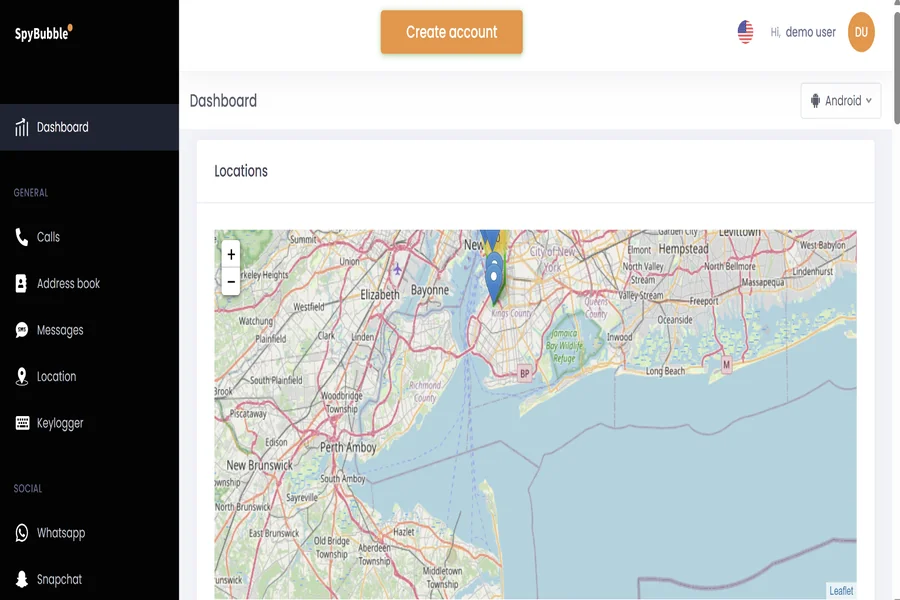
From this dashboard, users can review call logs, text messages, social media conversations, browsing history, and GPS location updates. This information is presented clearly, allowing patterns to become visible over time.
Unlike many basic alternatives, SpyBubble provides access to activity within popular messaging platforms where most communication now occurs. Competitors often overlook private chats or fail to capture deleted content. Inconsistent updates or limited compatibility can leave gaps in supervision.
Comprehensive monitoring reduces those blind spots. Rather than guessing, adults can base decisions on structured information. This approach minimizes unnecessary conflict because concerns are supported by actual data.
Managing Messaging Apps More Effectively
Private messaging applications are at the center of most online risks. While public profiles may appear harmless, direct conversations often reveal a different reality.
Monitoring message patterns can highlight unusual behavior, such as frequent late-night conversations, sudden contact with unknown numbers, or emotionally intense exchanges with strangers. These signs may not immediately indicate danger, but they deserve attention.
Many free tools only track traditional SMS. However, modern communication happens through apps like WhatsApp, Instagram, Snapchat, and Telegram. Without access to these platforms, monitoring remains incomplete.
By observing communication trends over time, adults gain insight into behavioral shifts before they escalate into serious issues.
Location Awareness and Digital Accountability
Physical safety remains closely connected to digital behavior. Location tracking adds another layer of protection, especially for younger users.
Knowing where a device is located can confirm safe arrivals at school, activities, or social gatherings. Reviewing location history may also reveal visits to unfamiliar or concerning places.
Built-in location sharing features are often easy to disable. Reliable monitoring solutions provide consistent updates that are harder to manipulate. When used responsibly, location oversight strengthens accountability without constant questioning.
Recognizing Behavioral Warning Signs
Technology provides data, but interpretation matters just as much. Certain changes in smartphone behavior should not be ignored.
Sudden secrecy, quickly locking the screen when someone approaches, or deleting entire message histories may indicate discomfort or external pressure. Emotional changes tied directly to online activity also deserve attention. Increased anxiety, irritability, or withdrawal can sometimes trace back to digital interactions.
Early awareness allows calm, proactive conversations rather than reactive punishment. Monitoring tools simply make these patterns visible sooner.
Balancing Oversight and Trust
Some critics argue that monitoring damages trust. In reality, problems usually arise when supervision is inconsistent or overly invasive. Clear boundaries and reasonable oversight create balance.
Short installation processes and straightforward dashboards make monitoring practical without turning it into a daily obsession. Instead of constant checking, periodic reviews are often sufficient.
The goal is not total surveillance. It is informed supervision. When risks are identified early, they can be addressed quietly and constructively.
Many competing apps advertise extensive features but lack reliability. Missed updates, limited platform coverage, or weak customer support reduce effectiveness. A comprehensive solution ensures consistent data access and smoother user experience.
Verdict
Applying practical online safety tips for kids and adults is essential in a world where smartphone risks evolve constantly. Blocking websites and limiting screen time are no longer sufficient on their own.
Comprehensive visibility into calls, messages, social media activity, and location history provides clarity that basic controls cannot offer. Understanding how does SpyBubble work demonstrates how structured monitoring supports early detection and responsible supervision.
The SpyBubble App strengthens online safety by offering organized, accessible insights without unnecessary complexity. When paired with open communication and digital education, it becomes a powerful support system for managing smartphone activity more effectively.